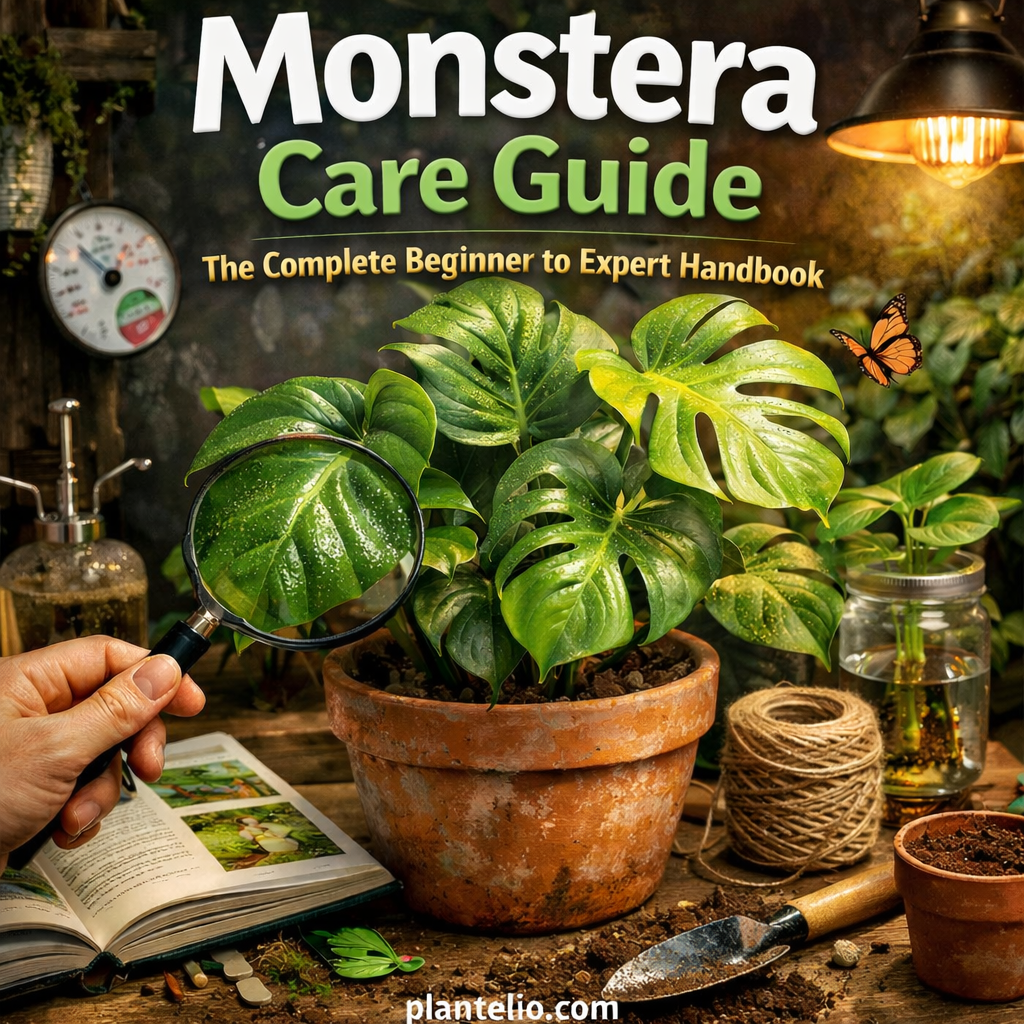
Monstera Care Guide: The Complete Beginner to Expert Handbook
Monstera is one of the most popular indoor plants in the world. Known for its large split leaves and tropical appearance, Monstera plants can transform any room into a green paradise.
This complete Monstera care guide explains everything you need to know — from watering and soil to light and common problems.
Whether you are a beginner or an experienced plant lover, this guide will help your Monstera thrive.
What is a Monstera Plant?
Monstera is a tropical plant native to Central and South America. The most common species grown indoors is Monstera deliciosa, often called the Swiss cheese plant.
Monsteras are climbing plants that naturally grow up trees in tropical forests.
They are loved because they are:
- Easy to care for
- Fast growing
- Very decorative
- Long living
Monstera plants can live for decades when properly cared for.
Monstera Light Requirements
Monsteras prefer bright indirect light.
Best locations:
- Near east-facing windows
- Near north-facing windows
- A few feet away from south windows
Too much direct sun can burn the leaves.
Too little light causes:
- Small leaves
- No leaf splits
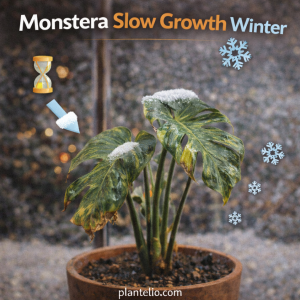
- Slow growth
If your Monstera is not developing holes in the leaves, light is usually the problem.
Related guides:
- Monstera light requirements (coming soon)
- Best indoor plant lighting guide (coming soon)
How Often to Water Monstera
Monsteras prefer slightly moist soil but hate overwatering.
Best watering method:
- Check top 5 cm of soil
- If dry → water
- If wet → wait
Typical schedule:
- Summer → every 5–7 days
- Winter → every 10–14 days
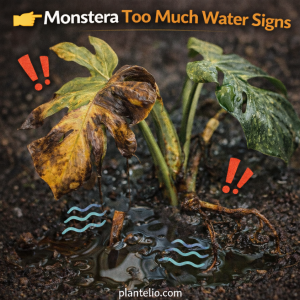
Signs of overwatering:
- Yellow leaves
- Soft stems
- Root rot smell
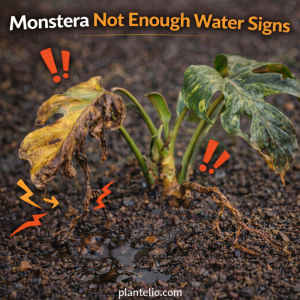
Signs of underwatering:
- Drooping leaves
- Dry soil
- Brown edges
Related guides:
- Monstera watering guide (coming soon)
- Root rot guide (coming soon)
Best Soil for Monstera
Monsteras need airy well-draining soil.
Best soil mix:
- 40% potting soil
- 30% coco coir
- 20% perlite
- 10% bark
Good soil should:
- Drain fast
- Hold moisture
- Allow airflow
Heavy soil causes root rot.
Related guides:
- Monstera soil guide (coming soon)
Temperature and Humidity
Monsteras prefer tropical conditions.
Ideal temperature:
18–30°C
Minimum temperature:
10°C
Ideal humidity:
50–70%
Low humidity may cause:
- Brown edges
- Curling leaves
How Fast Monstera Grows
Monstera is a fast-growing plant.
Typical growth:
- 1–2 new leaves per month in growing season
Growth depends on:
- Light
- Water
- Temperature
- Soil
Common Monstera Problems
Yellow Leaves
Caused by:
- Overwatering
- Poor drainage
- Old leaves
Brown Leaf Tips
Caused by:
- Low humidity
- Underwatering
- Salt buildup
No Leaf Splits
Caused by:
- Low light
- Young plant
How to Make Monstera Grow Faster
To speed up growth:
- Give bright indirect light
- Use airy soil
- Fertilize monthly
- Provide support pole
- Maintain humidity
Monsteras grow best when they can climb.
Types of Monstera
Popular varieties:
- Monstera Deliciosa
- Monstera Adansonii
- Monstera Thai Constellation
- Monstera Albo Variegata
FAQ
Is Monstera easy to care for?
Yes. Monstera is one of the easiest tropical plants to grow indoors.
How big does Monstera grow?
Indoor Monsteras can reach 2–3 meters with proper support.
Should I mist Monstera?
Misting helps humidity but is not required.
Why are my Monstera leaves turning yellow?
Usually caused by overwatering or poor drainage.



26 comments