
Monstera Not Enough Water Signs: How to Tell If Your Monstera Needs Water
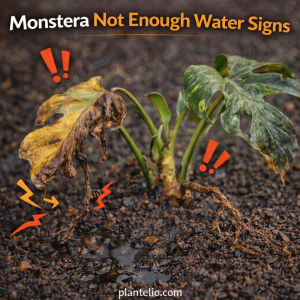
A drooping Monstera does not automatically need water. Roots in a wet, poorly aerated pot can produce a similar appearance. Before watering, combine three observations: moisture below the surface, the pot’s weight compared with its usual watered weight, and whether the symptoms appeared after a long dry interval.
Check the root zone before treating the leaves
Remove the nursery pot from its decorative cover and check for standing water. Feel the mix in more than one accessible place without forcing a tool through roots. A dry surface above a damp lower layer is different from a root ball that has dried throughout. Lift the pot carefully if its size allows. Weight is most useful when you already know how the same pot feels after watering.
| Observation | Possible explanation | Next step |
|---|---|---|
| Dry mix below the surface, unusually light pot, recent missed watering | Insufficient water is plausible | Water the root ball evenly and let excess drain |
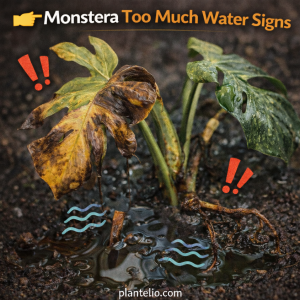
| Wet mix, heavy pot, drooping or yellowing leaves | Root stress or poor drainage | Check drainage before adding water |
| Water runs down the pot edge while the centre stays dry | Uneven wetting of a dried root ball | Apply water slowly in passes and recheck the centre |
| One old leaf has a dry tip but moisture is normal | A tip alone cannot identify the cause | Review the plant’s recent conditions rather than watering on appearance alone |
How to water a confirmed dry Monstera
- Use a container with an open drainage hole. Protect the floor or move a manageable pot to a sink.
- Apply room-temperature water across the mix, slowly enough that it soaks in instead of immediately escaping around the edges.
- Pause between passes if the surface initially repels water. Check that the root ball is becoming moist, rather than judging only by runoff.
- Let excess water drain, then empty the saucer or decorative cover. Do not leave the pot standing in the runoff.
- Record what you observed and the watering date. At the next inspection, check moisture again instead of automatically repeating the treatment.
What recovery can and cannot show
Firmer leaves after watering support the idea that water shortage contributed to the problem. They do not prove that every symptom had the same cause. Brown tissue will not become green again, and an old mark can remain after the growing conditions improve. Compare the firmness of living tissue and the condition of new growth, rather than expecting a damaged leaf to look new.
If the plant keeps deteriorating while the mix is wet, stop treating it as thirst. Inspect drainage, recent temperature changes and the condition of the stem base. A soft or decaying base needs further investigation. Avoid repeated watering or fertilizer as a rescue response.
Prevent the next dry interval without keeping the pot soaked
Use your calendar as a reminder to inspect, not an instruction to water. A brighter position, seasonal change, heating or a different container can change how quickly the same plant dries. NC State’s Monstera guidance recommends thorough watering followed by partial drying of the mix; adapt inspection frequency to your own container and conditions.
For example, if a plant dries sooner after being moved beside a brighter window, compare moisture at shorter intervals before assuming it needs a larger pot. If its root ball remains wet well beyond its usual pattern, check drainage and the changed environment before returning to the old routine.
Questions that prevent common mistakes
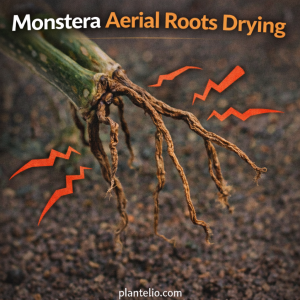
Are dry aerial roots proof of underwatering?
No. Exposed aerial roots are not a dependable measurement of moisture inside the pot. Check the potting mix and the plant’s overall condition.
Should I remove every damaged leaf?
A leaf with a dry edge may still have useful green tissue. First correct the growing conditions. Do not make extensive pruning part of routine thirst treatment.
Where should I go next?
Use the Monstera watering guide to plan routine care. If the mix is wet, compare the overwatering guide before acting. The general care guide covers the wider growing conditions.
Sources and scope
This guide is an educational troubleshooting aid, not a diagnosis from a photograph. Its watering principles are supported by NC State Extension: Monstera deliciosa, University of Maryland Extension: Watering Indoor Plants and Diagnose Indoor Plant Problems. The observation sequence helps you apply those principles to your own pot.

2 comments