Monstera Soil Guide: The Best Soil Mix for Healthy Growth
Choosing the right soil is essential for growing a healthy Monstera plant. Monsteras need loose, airy soil that drains well while still holding enough moisture for the roots.
Using the wrong soil is one of the most common reasons Monsteras develop root rot, yellow leaves, or slow growth.
This guide explains the best soil mix for Monstera plants and how to make the perfect soil at home.
What Kind of Soil Does Monstera Need?
Monsteras grow naturally in tropical forests where the soil is rich and well aerated.
Ideal Monstera soil should be:
- Well-draining
- Light and airy
- Moisture-retentive
- Rich in nutrients
Heavy garden soil is not suitable for Monsteras.
Compact soil suffocates the roots and leads to root rot.
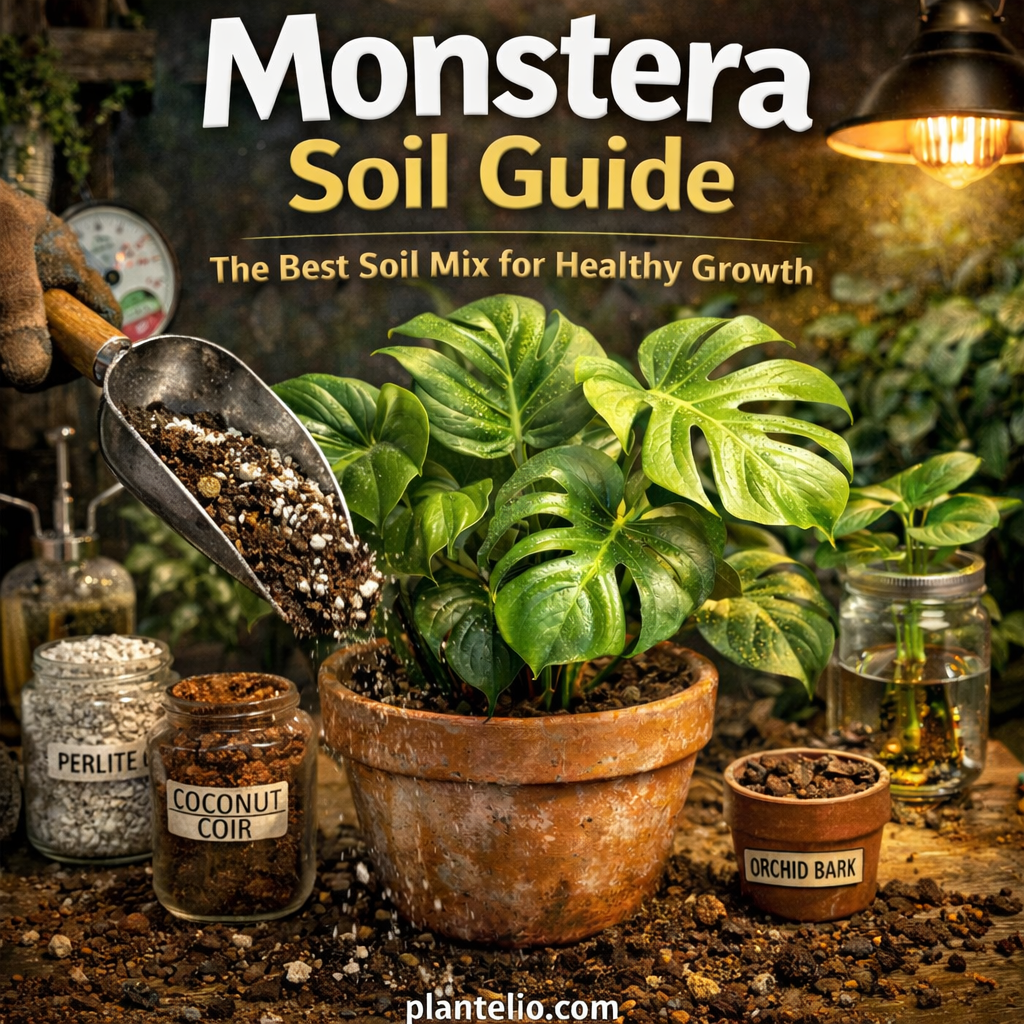
Best Soil Mix for Monstera
The best Monstera soil mix contains multiple ingredients.
Ideal recipe:
- 40% potting soil
- 30% coco coir or peat moss
- 20% perlite
- 10% orchid bark
This mix provides:
- Fast drainage
- Good airflow
- Strong root development
Monsteras grow fastest in airy soil.
Ready-Made Soil vs DIY Soil
Both options work well.
Ready-Made Soil
Choose soil labeled:
- Indoor plant soil
- Aroid mix
- Tropical plant soil
Avoid heavy universal soil without additives.
DIY Monstera Soil Mix
You can easily make your own mix.
Basic version:
- Potting soil
- Perlite
- Coco coir
Advanced version:
- Potting soil
- Perlite
- Bark
- Coco coir
- Charcoal (optional)
DIY soil often performs better than store-bought soil.
Signs Your Monstera Soil is Wrong
Bad soil causes visible symptoms.
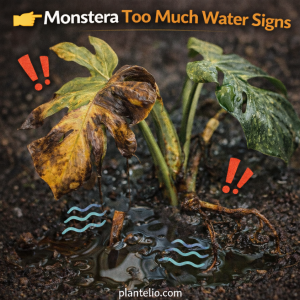
Soil Too Heavy
Symptoms:
- Yellow leaves
- Slow growth
- Wet soil for many days
- Root rot smell
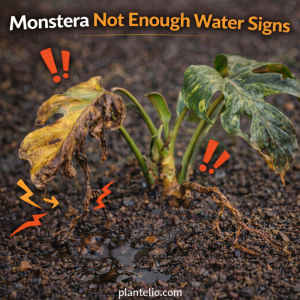
Soil Too Dry
Symptoms:
- Leaves droop quickly
- Soil dries in 1–2 days
- Stunted growth
Balanced soil is the goal.
How to Improve Monstera Soil
You don’t always need to repot.
To improve soil:
Add:
- Perlite
- Bark
- Coco coir
Mix gently into the top layer if possible.
Full repotting works best if soil is very poor.
When to Change Monstera Soil
Replace soil when:
- Soil stays wet too long
- Roots fill the pot
- Growth slows
- Soil smells bad
Most Monsteras need repotting every 1–2 years.
Best Pot Type for Monstera Soil
The pot affects soil performance.
Best pots:
- Drainage holes required
- Plastic pots retain moisture
- Terracotta dries faster
Drainage holes are essential.
Soil and Root Rot Connection
Root rot almost always comes from poor soil.
Causes:
- Heavy soil
- Poor drainage
- Overwatering
Healthy soil prevents most problems.
FAQ
Can I use regular potting soil for Monstera?
Yes, but it should be mixed with perlite or bark.
Does Monstera need special soil?
Monsteras prefer airy tropical soil but do not require expensive mixes.
Is cactus soil good for Monstera?
Cactus soil drains well but dries too fast alone. Mixing works better.
How do I know if Monstera soil drains well?
Water should drain within a few seconds after watering.
Internal Links (Plantelio)
Link later:
- Monstera Care Guide
- Monstera Watering Guide
- Monstera Root Rot
- Monstera Repotting Guide

6 comments