
Monstera Light Requirements: How Much Light Does Monstera Need?
To choose a position for an indoor Monstera, evaluate the light where its leaves will sit. A window direction, a distance from glass or the phrase “bright room” cannot describe every home. This guide provides a room survey and a way to evaluate a gradual placement change.
Survey the actual growing position
Start by identifying direct sunlight: does a beam reach the leaves at any point in the day? Record the time and location. Then note the window, curtains, outdoor obstructions and distance to the plant. Check at more than one time; a position that is shaded in the morning can receive strong sun later.
For Monstera deliciosa, begin with bright light protected from harsh sun. The species profile from NC State Extension provides the botanical context. If your plant has been growing in shade, do not move it abruptly into a strong sunbeam because another specimen tolerates that position.
Use this room survey
| Question | What to record | Why it helps |
|---|---|---|
| Where are the leaves? | Position relative to the window and surrounding objects | A leaf behind furniture has a different exposure from an unobstructed leaf. |
| Does direct sun reach them? | Time of day and the part of the plant exposed | The same spot can change through the day. |
| What filters or blocks the light? | Curtains, buildings, trees or roof overhangs | Window direction alone does not account for these. |
| What recently changed? | Move, new curtains, changing outdoor shade or lamp setup | This gives context to a change in growth. |
Save photographs of the position as well as the plant. If you use a light meter, take readings at leaf level and use the same device and method for comparisons. Record the units. A phone reading should not be treated as a calibrated horticultural measurement without understanding the device and app.
Distinguish a pattern from a diagnosis
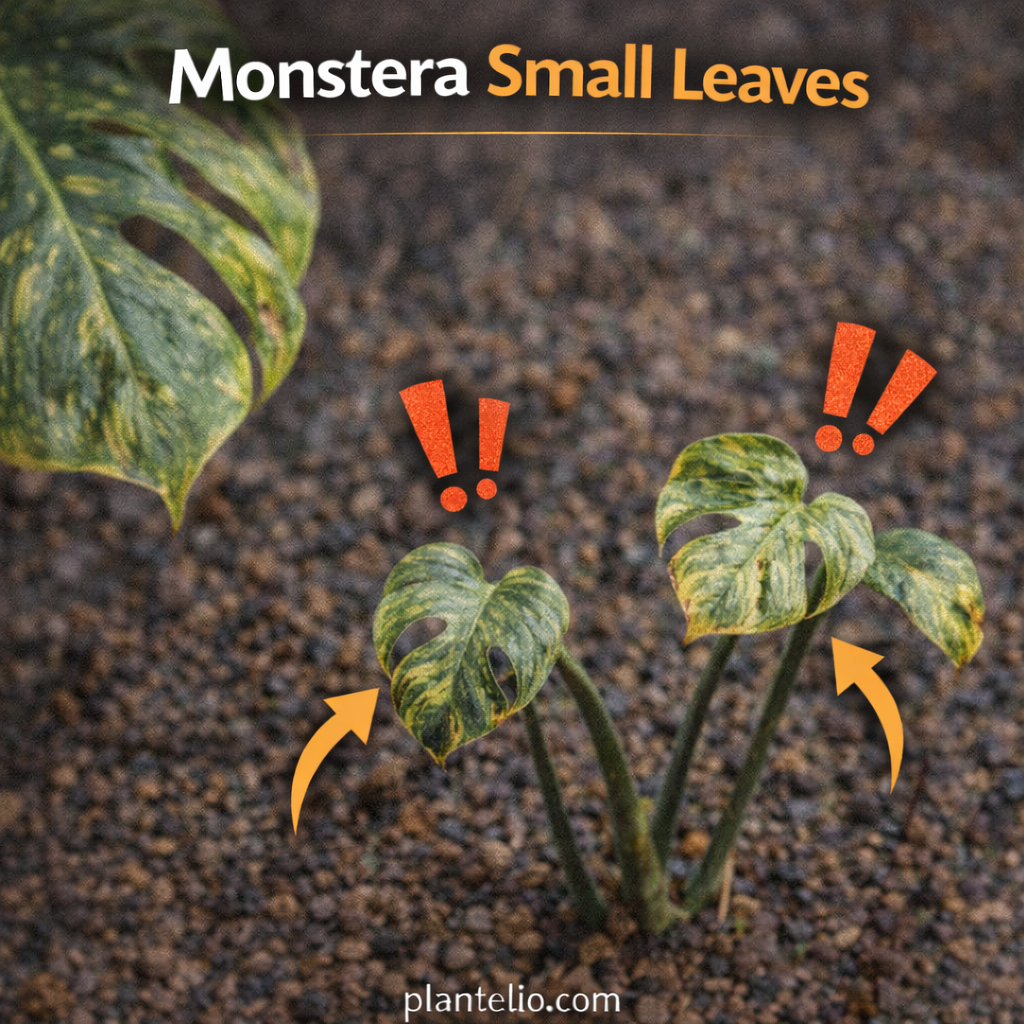
Light influences indoor plant growth, but one small or unsplit leaf cannot establish insufficient light. Compare fully opened leaves on the same stem, and consider the plant’s stage and recent history. Use the new-leaf measurement worksheet to make the comparison consistent.
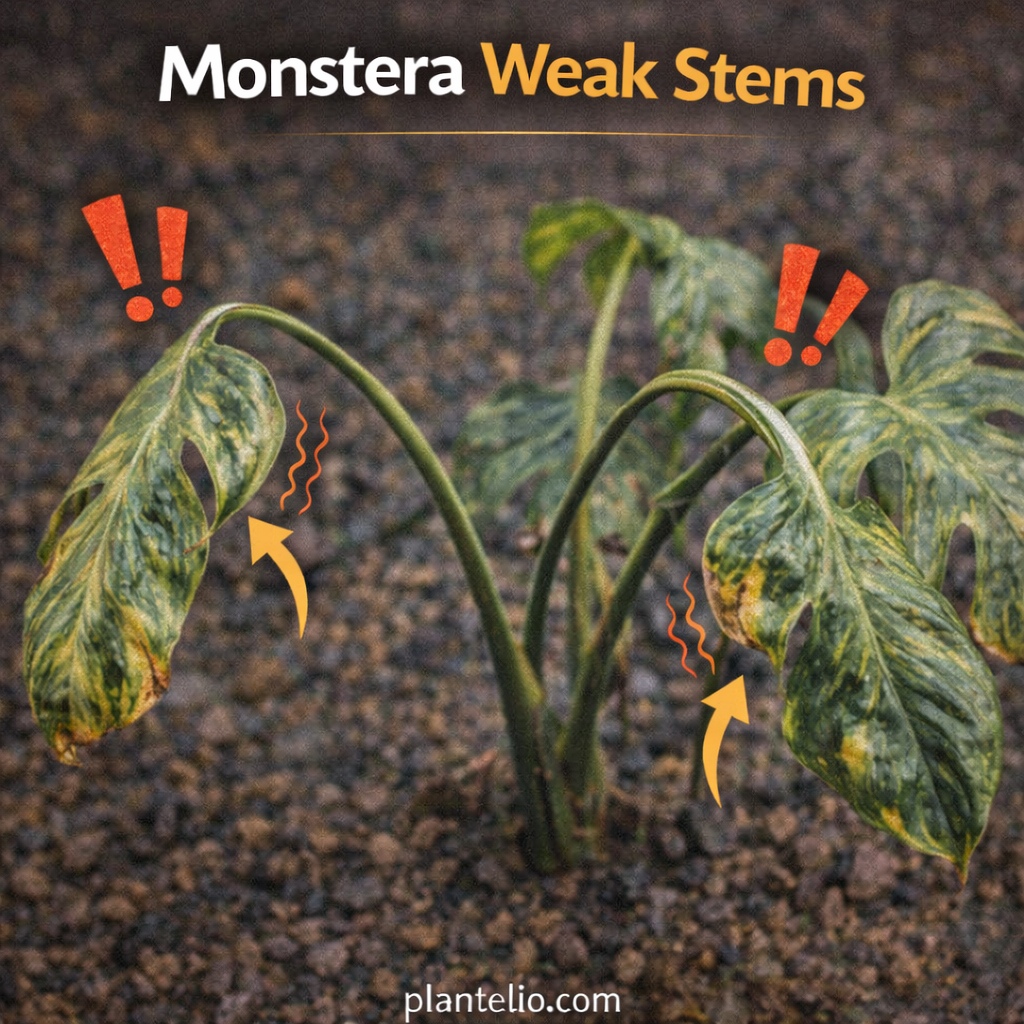
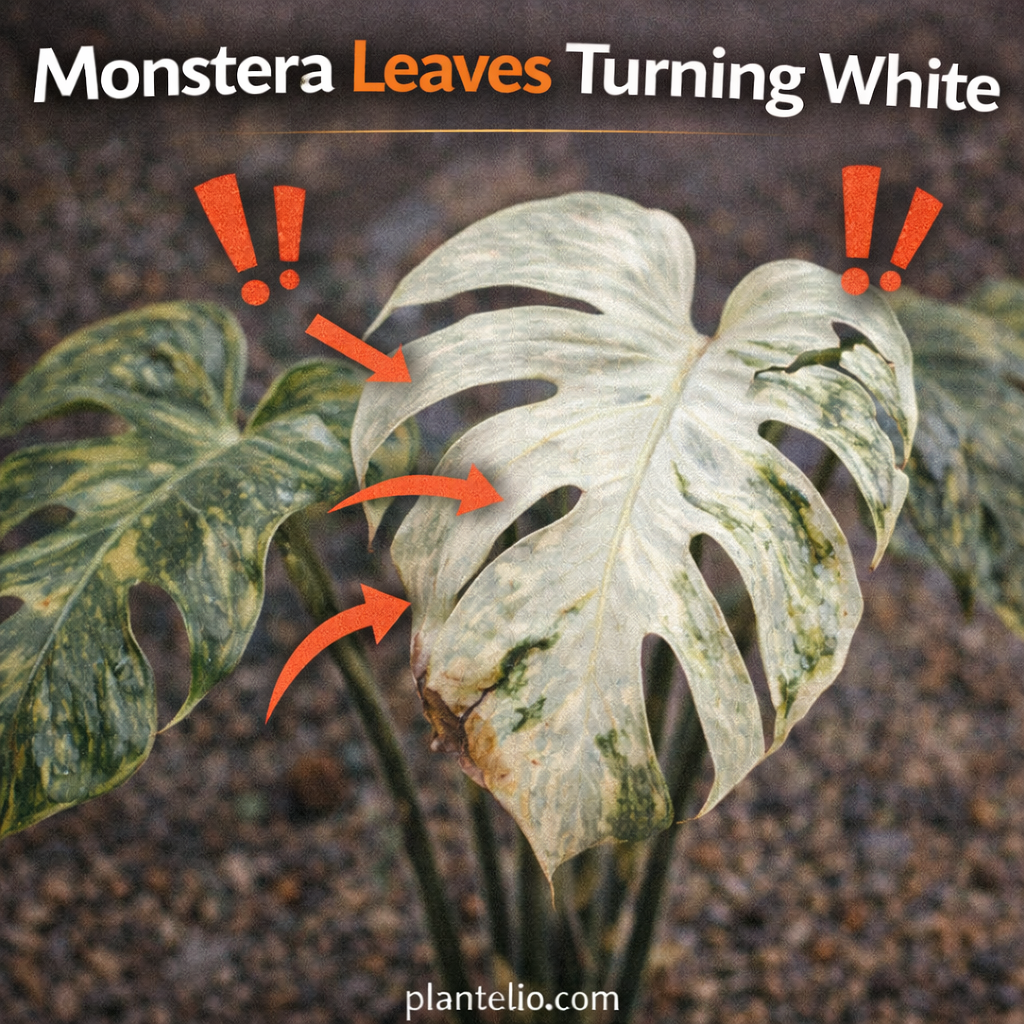
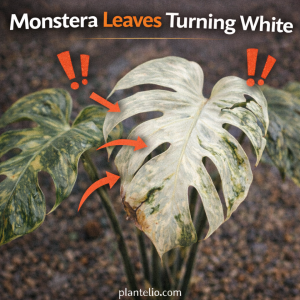
Similarly, a brown area is not automatic proof of sun damage. Note whether it appeared after an exposure change and whether the affected area faced the light. Check other relevant observations rather than diagnosing from colour alone. Persistent wilting also deserves a moisture and drainage check.
Make a gradual, recorded adjustment
- Photograph the baseline condition and record the current position.
- Choose a new position from the room survey.
- Avoid an abrupt jump into harsh direct sun.
- Record the move and any change in direct exposure.
- Check for new damage and reassess the watering pattern.
- Evaluate later growth using the same comparison method.
Do not add extra fertilizer, repot and move the plant at the same time just to chase larger leaves. Several simultaneous changes make the outcome harder to interpret. Existing damaged tissue may remain marked even if the new position is suitable.
When you use a grow light
Use the manufacturer’s placement and operation instructions for the particular lamp. Different fixtures can deliver very different light at the leaves, so a universal distance or daily duration is not a substitute for that information. Record the lamp, distance and timer setting when evaluating the result.
Keep the installation stable and follow its electrical and mounting instructions. Check whether all parts of the plant receive comparable exposure. If you change the lamp position or duration, record that change so it does not disappear from the plant’s care history.
Review seasonal changes at the plant
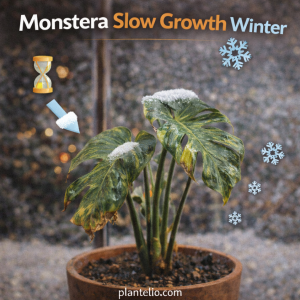
Repeat the survey when the sun’s path or outdoor shade changes. Do not assume that “winter” means every room has the same conditions. Curtains, artificial lighting and the plant’s location can matter throughout the year.
After a placement change, check how the growing medium dries instead of keeping the old watering interval automatically. The watering guide explains that decision separately. For a review of the whole setup, use the Monstera care guide.
References and limits
Read NC State Extension: Monstera deliciosa and University of Maryland Extension: Lighting for Indoor Plants for background. The survey is an observation framework; it does not guarantee a leaf size, growth rate or diagnosis.

10 comments