
Rubber Plant Winter Care: How to Care for Ficus Elastica in Winter
Rubber Plant Winter Care: Keeping Ficus Elastica Healthy in Cold Months
Rubber plants (Ficus elastica) are tropical plants that prefer warm environments. During winter, indoor conditions change significantly due to lower light levels, cooler temperatures, and dry air from heating systems.
Understanding proper rubber plant winter care helps prevent problems such as leaf drop, slow growth, and stress during colder months.
Reduce Watering in Winter
Rubber plants grow more slowly in winter, meaning they require less water.
- Water only when the top 3–5 cm of soil is dry
- Avoid overwatering
- Ensure proper drainage
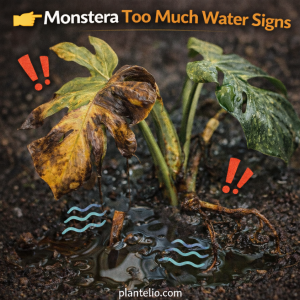
Overwatering during winter is one of the most common causes of root rot in rubber plants.
Provide Enough Light
Shorter days mean less sunlight. Rubber plants should be placed in the brightest location available during winter.
- Near south or west facing windows
- Bright indirect sunlight
- Supplement with grow lights if necessary
Read more about rubber plant light requirements.
Maintain Warm Temperatures
Rubber plants prefer temperatures between 18°C and 27°C (65°F – 80°F).
- Avoid cold drafts
- Keep plants away from open windows
- Protect from sudden temperature drops
Cold stress may cause rubber plant leaves dropping.
Increase Humidity
Indoor heating systems often reduce humidity during winter.
- Use a humidifier
- Place a water tray near the plant
- Group plants together
Low humidity can cause rubber plant leaves curling.
Avoid Fertilizing in Winter
Rubber plants typically enter a semi-dormant phase during winter.
Fertilizing during this period is usually unnecessary and may stress the plant. Resume fertilizing in spring when active growth returns.
For fertilizing schedules see rubber plant fertilizer guide.
Clean the Leaves
Dust accumulates on leaves during winter when windows stay closed.
- Wipe leaves with a damp cloth
- Improve photosynthesis
- Prevent pests
Clean leaves also help reduce rubber plant pest problems.
Watch for Winter Stress Signs
Signs that your rubber plant is struggling during winter include:
- Leaf drop
- Yellow leaves
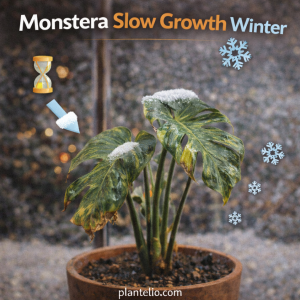
- Slow growth
- Brown leaf spots
Learn more about rubber plant yellow leaves.
FAQ
Should I water my rubber plant less in winter?
Yes. Rubber plants need less water in winter because their growth slows down.
Do rubber plants need sunlight in winter?
Yes. Place them in bright indirect light to compensate for shorter days.
Can rubber plants survive cold temperatures?
Rubber plants are tropical and should be kept above 15°C (59°F).
Should I fertilize rubber plants in winter?
Fertilizing is usually unnecessary during winter dormancy.





1 comment