
Monstera New Leaves Small: How to Compare and Track New Growth
If a new Monstera leaf looks smaller than the previous one, begin with a fair comparison. This page is a measurement worksheet for following one growing stem over time. For the broader care investigation, use the Monstera small-leaf guide.
Choose a comparable leaf sequence
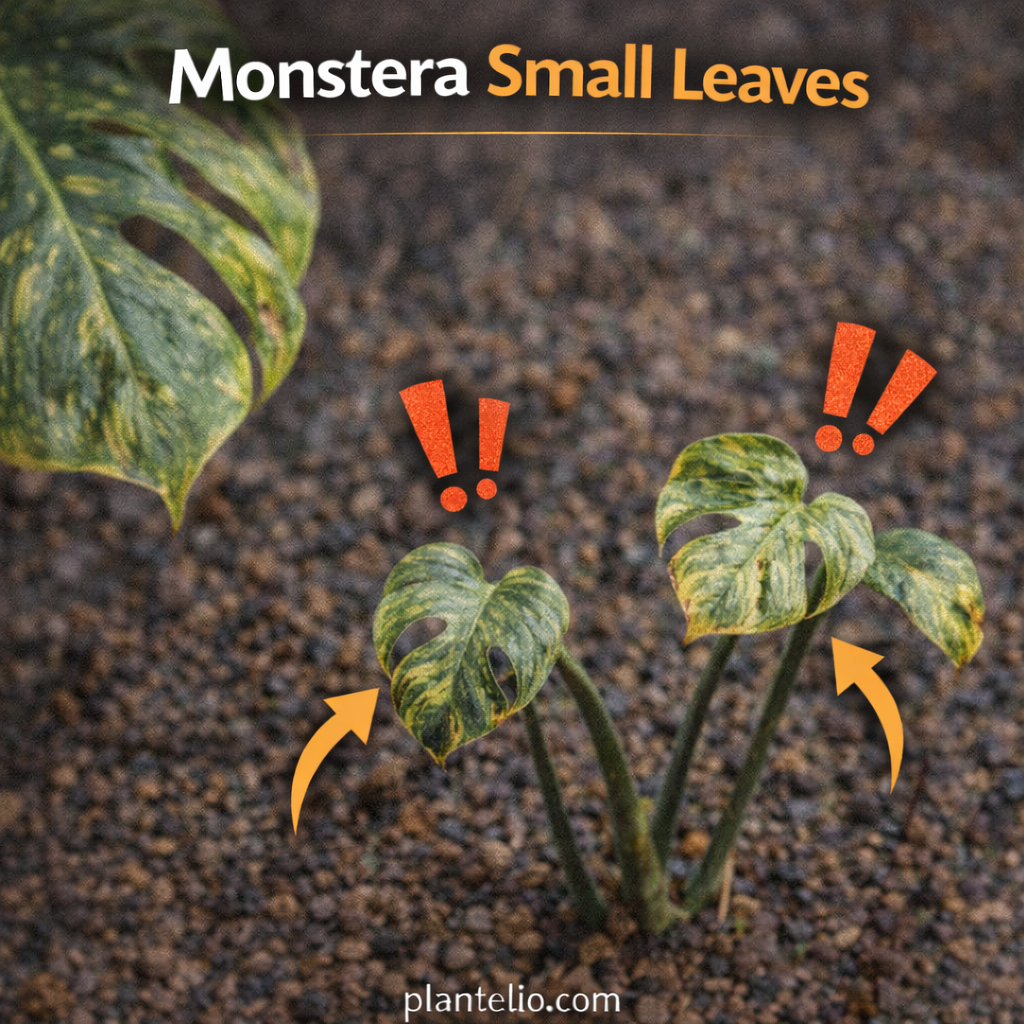
Do not compare a rolled, newly emerging leaf with a mature leaf. Record it as “opening” and wait until it is fully open before making the size comparison. Keep different stems separate: the newest leaf on a small offshoot is not the next leaf in the sequence of a larger stem.
Give each stem a simple identifier in your notes, such as A or B. Mark the identity on a photograph rather than fastening a tight label around the plant. For a newly rooted cutting, begin a fresh record; the largest retained leaf is not a reliable promise about the next leaf’s size.
Make a repeatable measurement
- Photograph the fully opened leaf with a ruler in the same plane.
- Keep the camera reasonably square to the leaf so perspective does not exaggerate the comparison.
- Measure the blade from its base to its tip, excluding the leaf stalk.
- Record the widest part of the blade without stretching or flattening it forcibly.
- Record the stem identifier, date and any visible damage.
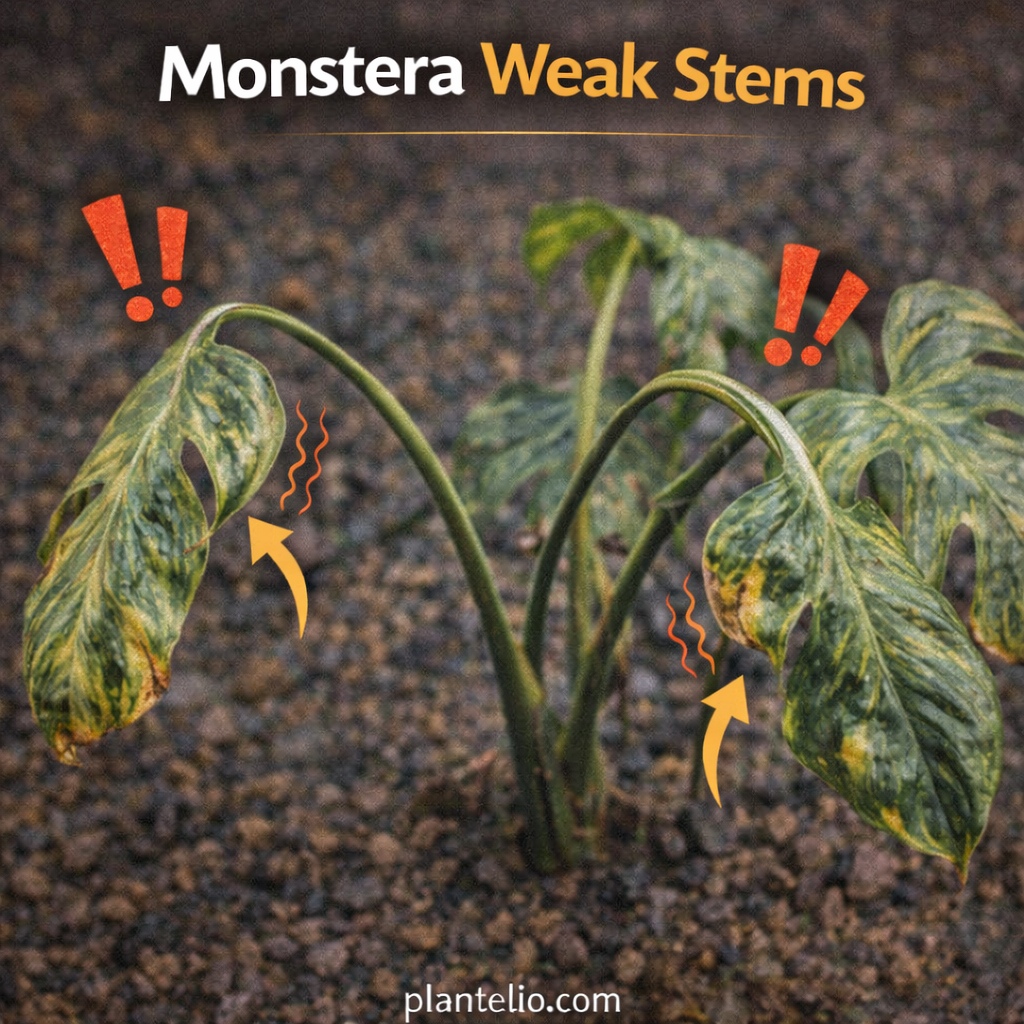
A curled leaf can appear narrower without representing the same change as a smaller, flat blade. Note that difference. Use the same method each time; a precise-looking number is unhelpful if the method changes between photographs.
Copy this observation worksheet
| Field | What to write |
|---|---|
| Stem and sequence | A, leaf 1; A, leaf 2; and so on |
| Development | Opening or fully opened |
| Blade measurements | Length and width, using one unit consistently |
| Condition | Firmness, colour, curling or visible damage |
| Recent changes | Move, repotting, cutting, fertilizer or changed watering |
| Photo reference | File name or date so you can find the comparison |
This is an observation tool, not a scoring system. There is no pass mark for leaf size, and these entries do not prove a particular nutrient deficiency or root condition.
Interpret the sequence before choosing an action
One smaller leaf and several progressively smaller leaves are different patterns. Check the timing of any change against your record. Did the plant move before the new growth developed? Was a stem cut? Did the growing medium begin drying differently after repotting? A time match gives you a question to investigate, not proof of a cause.
For a hypothetical example, stem A might have two comparable leaves, followed by a smaller one after a location change. Record the new light conditions and watering behaviour before making another change. If stem B is a new offshoot, keep its small leaves in a separate sequence rather than treating them as evidence that stem A is shrinking.
Choose the next check from the whole plant
If leaves are otherwise healthy, review the growing position and observe the next fully opened leaf. If small growth is accompanied by persistent wilting, yellowing or deterioration, investigate the wider condition sooner. The watering decision guide helps organize moisture observations.
A measurement alone is not a reason to increase fertilizer, install a larger container or move the plant abruptly into strong sun. Record one reasoned adjustment after checking the relevant conditions. Then compare subsequent growth using the same measurement method.
What the record can and cannot tell you
The record can show a trend and preserve the timing of your actions. It cannot guarantee a future leaf size or establish why a leaf developed that way. Indoor light influences growth, and feeding should follow the product instructions and growing conditions rather than a desired measurement.
For background, see University of Maryland Extension on lighting indoor plants and fertilizer for indoor plants. The worksheet and hypothetical comparison are not a report of a personal growing experiment.










1 comment