
Monstera Repotting Guide: When and How to Repot Monstera Plants
Repotting Monstera plants helps maintain healthy roots and supports faster growth. As Monsteras grow, their roots fill the pot and the soil loses nutrients, making repotting essential.
This guide explains when to repot Monstera and how to repot step by step without damaging the plant.
When Should You Repot Monstera?
Most Monsteras need repotting every 1–2 years.
Signs your Monstera needs repotting:
- Roots growing from drainage holes
- Soil drying very fast
- Slow growth
- Roots circling inside the pot
- Plant becoming unstable
Healthy Monsteras grow faster after repotting.
Best Time to Repot Monstera
The best time to repot Monstera is during the growing season.
Best seasons:
- Spring
- Early summer
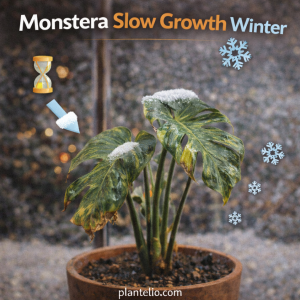
Avoid repotting in winter unless necessary.
Winter repotting slows recovery.
Choosing the Right Pot Size
Always choose a slightly larger pot.
Ideal increase:
- 2–5 cm wider than current pot
Too large pots cause:
- Overwatering risk
- Slow growth
- Root rot
Gradual pot increases work best.
Best Soil for Repotting Monstera
Monsteras need loose, well-draining soil.
Ideal soil mix:
- Potting soil
- Coco coir
- Perlite
- Bark
Airy soil protects roots from rot.
Related guides:
- Monstera Soil Guide
Step-by-Step Monstera Repotting
Step 1 — Prepare the Pot
Use a pot with drainage holes.
Add a small layer of soil at the bottom.
Step 2 — Remove the Plant
Gently remove Monstera from the old pot.
Loosen roots carefully.
Do not pull the stem.
Step 3 — Check the Roots
Healthy roots are:
- Firm
- Light colored
Remove:
- Black roots
- Mushy roots
This prevents disease.
Step 4 — Place in New Pot
Position plant at the same depth as before.
Fill gaps with soil.
Press lightly.
Do not compact heavily.
Step 5 — Water Thoroughly
Water after repotting.
Allow excess water to drain.
This helps roots settle.
Aftercare Following Repotting
Monsteras need recovery time.
After repotting:
- Keep in indirect light
- Avoid fertilizing for 2–3 weeks
- Water moderately
Slight drooping is normal.
Monsteras usually recover within 1–2 weeks.
Common Repotting Mistakes
Using Too Large Pots
Large pots hold excess water.
This increases root rot risk.
Damaging Roots
Rough handling slows recovery.
Handle gently.
Compacting Soil
Roots need airflow.
Loose soil works best.
Fertilizing Immediately
New soil already contains nutrients.
Wait at least 2 weeks.
How Often Monstera Needs Repotting
Typical schedule:
Young Monsteras:
- Every 12 months
Mature Monsteras:
- Every 2 years
Large plants need less frequent repotting.
Signs Repotting Was Successful
Good signs:
- New leaves appear
- Faster growth
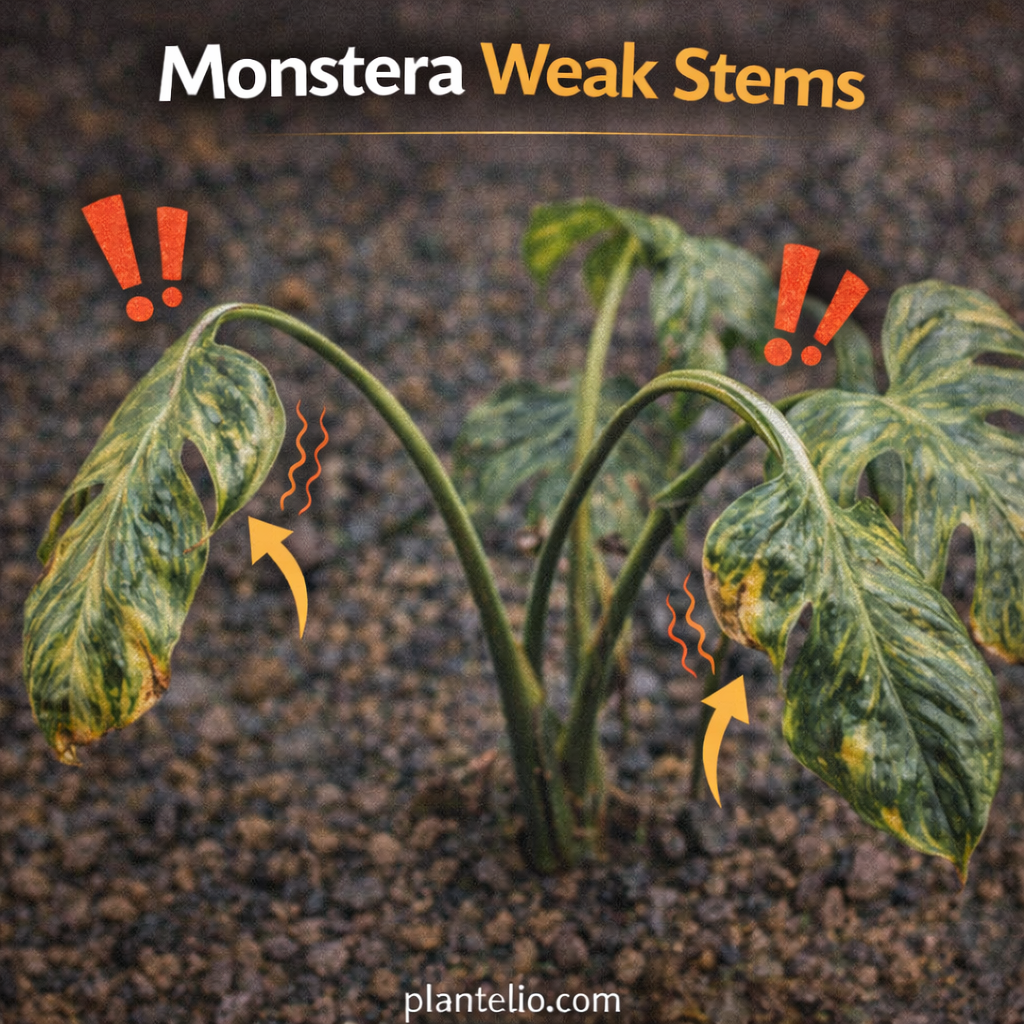
- Upright stems
Growth usually improves within a few weeks.
FAQ
Should I water Monstera after repotting?
Yes. Water thoroughly after repotting.
Can Monstera go into shock after repotting?
Yes. Mild drooping is normal.
Plants usually recover quickly.
How big should Monstera pot be?
2–5 cm larger than the previous pot.
Can I repot Monstera anytime?
Spring and summer are best.
Emergency repotting can be done anytime.
Internal Links (Plantelio)
Link:
- Monstera Care Guide
- Monstera Watering Guide
- Monstera Soil Guide
- Monstera Root Rot (coming soon)


2 comments