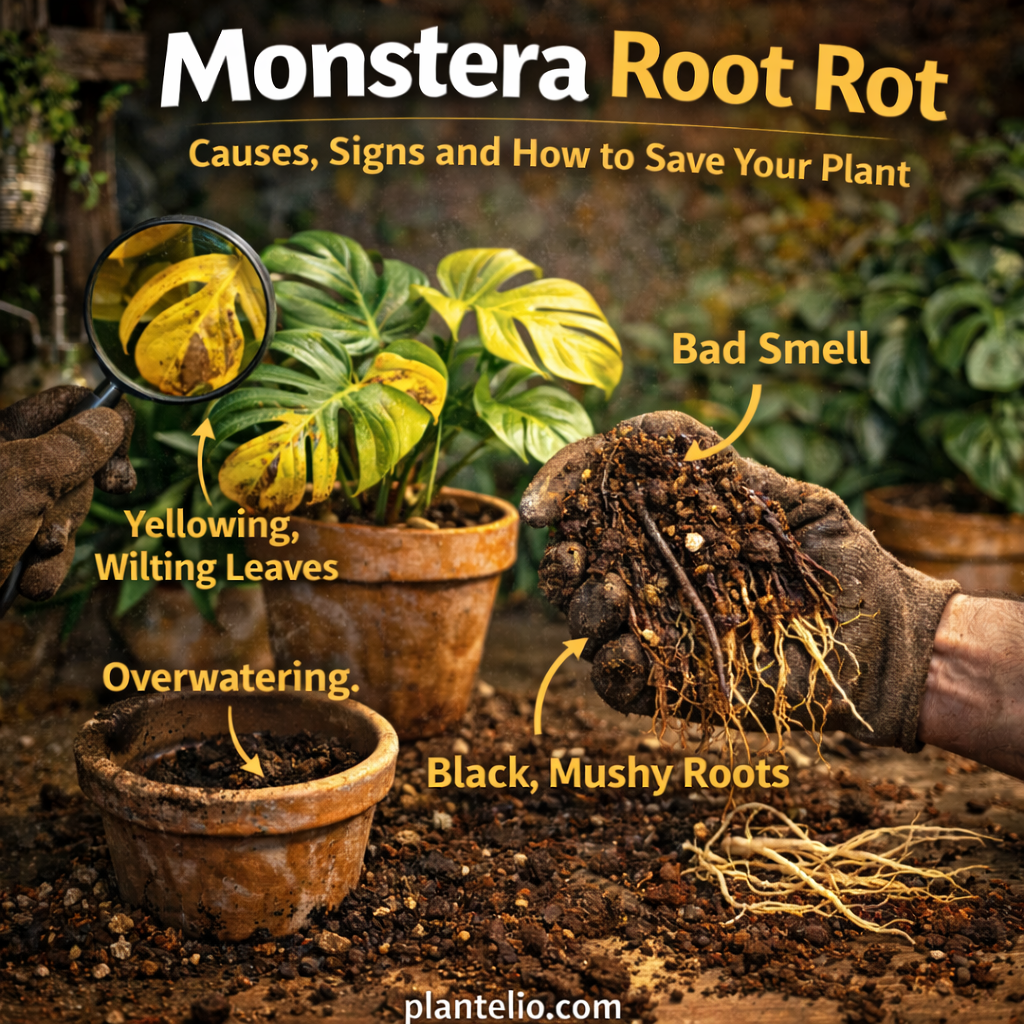
Monstera Root Rot: Causes, Signs and How to Save Your Plant
Monstera root rot is one of the most serious problems that can affect your plant. If left untreated, root rot can quickly kill a Monstera.
The good news is that Monstera root rot can often be stopped and the plant can recover if treated early.
This guide explains how to identify Monstera root rot and how to save your plant step by step.
What is Monstera Root Rot?
Root rot is a condition where roots begin to decay due to excess moisture and lack of oxygen.
Healthy roots are:
- Firm
- White or light colored
- Fresh smelling
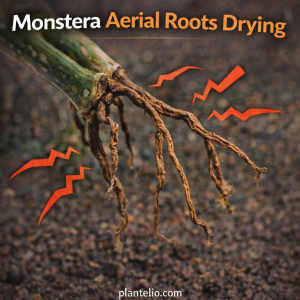
Rotten roots are:
- Black or brown
- Soft and mushy
- Bad smelling
Root rot prevents the plant from absorbing water and nutrients.
What Causes Monstera Root Rot?
Root rot is almost always caused by excessive moisture around the roots.
Main causes:
- Overwatering
- Poor drainage
- Heavy soil
- Pots without drainage holes
- Cold temperatures
Monsteras prefer moist soil, not wet soil.
Related guides:
- Monstera Watering Guide
- Monstera Soil Guide
Signs of Monstera Root Rot
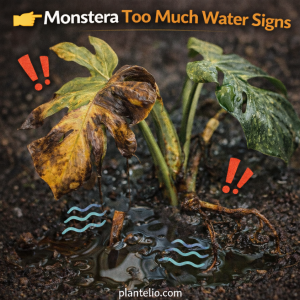
Root rot symptoms usually appear above the soil first.
Common signs:
- Yellow leaves
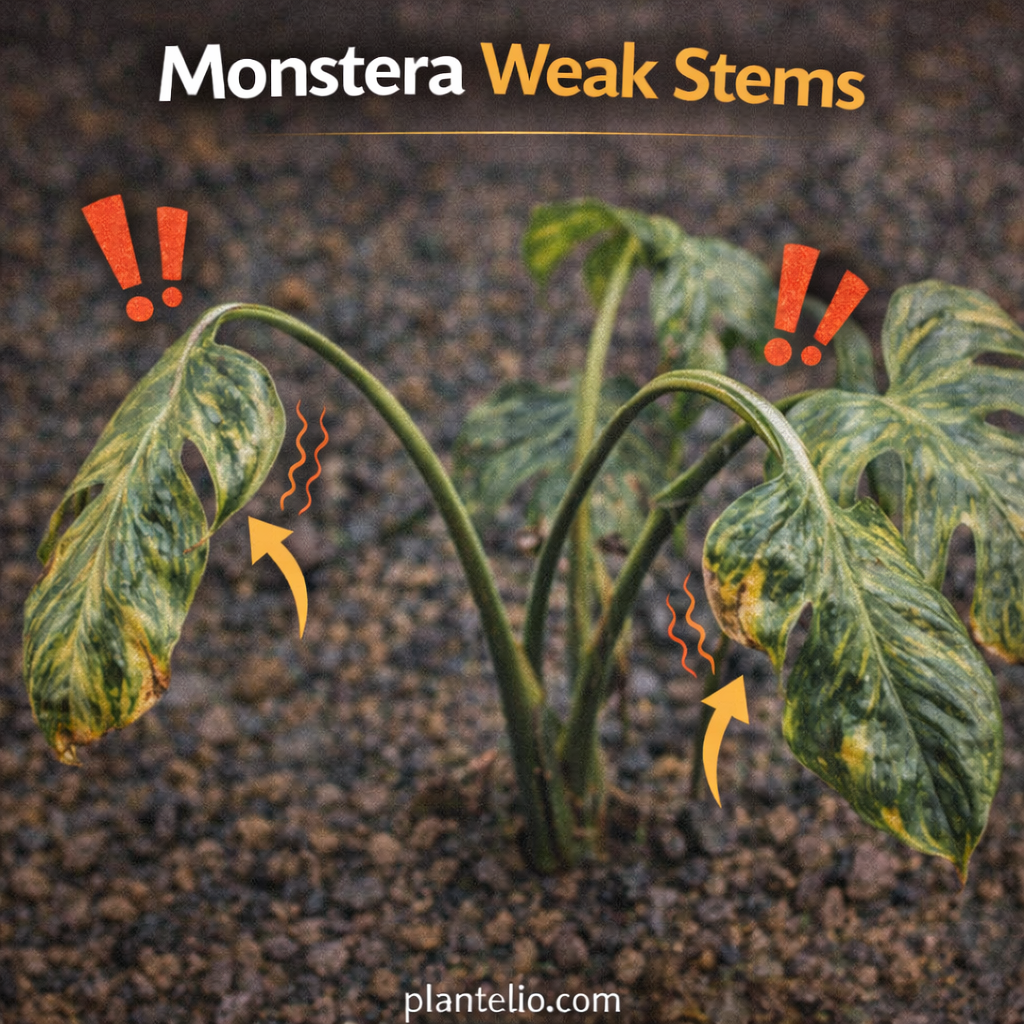
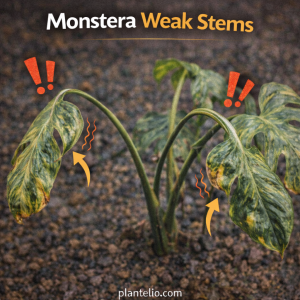
- Drooping leaves
- Soft stems
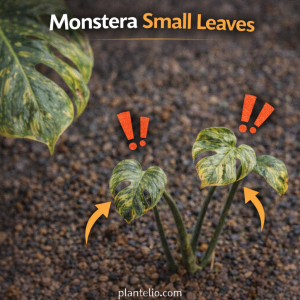
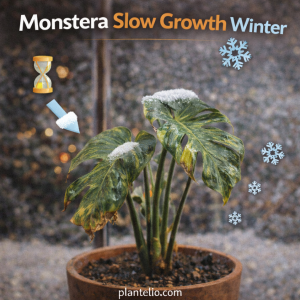
- Slow growth
- Wet soil for many days
- Bad soil smell
Advanced signs:
- Black stems
- Mushy roots
- Leaf drop
Early treatment increases survival chances.
How to Check Monstera Roots
To confirm root rot:
- Remove plant from pot
- Shake off soil gently
- Inspect roots
Healthy roots are light colored and firm.
Rotten roots are dark and soft.
How to Fix Monstera Root Rot
Follow these steps to save your plant.
Step 1 — Remove Old Soil
Remove as much wet soil as possible.
Wet soil contains bacteria and fungi.
Step 2 — Trim Rotten Roots
Use clean scissors.
Remove:
- Black roots
- Soft roots
- Mushy roots
Keep only healthy roots.
Step 3 — Prepare Fresh Soil
Use airy soil mix.
Ideal ingredients:
- Potting soil
- Perlite
- Coco coir
- Bark
Related guide:
- Monstera Soil Guide
Step 4 — Repot the Plant
Use a pot with drainage holes.
Do not reuse infected soil.
Position plant carefully.
Step 5 — Water Lightly
After repotting:
- Water lightly
- Allow soil to dry
- Avoid overwatering
Recovery may take several weeks.
Can Monstera Recover from Root Rot?
Yes, if treated early.
Recovery signs:
- New leaves appear
- Firm stems
- Healthy growth
Severe root rot is harder to fix but still possible.
How to Prevent Root Rot
Prevention is easier than treatment.
To prevent root rot:
- Water only when soil is dry
- Use well-draining soil
- Always use pots with drainage holes
- Avoid large pots
- Provide good light
Most root rot cases are preventable.
Common Root Rot Mistakes
Watering Too Soon
Allow soil to dry after treatment.
Using Heavy Soil
Compact soil traps water.
Airy soil works best.
No Drainage Holes
Drainage holes are essential.
Reusing Old Soil
Old soil may contain disease.
Always use fresh soil.
FAQ
Can Monstera survive root rot?
Yes, if treated early.
Should I cut rotten roots?
Yes. Rotten roots must be removed.
How fast does root rot spread?
Root rot can spread quickly in wet soil.
Can root rot fix itself?
No. Treatment is required.
Internal Links (Plantelio)
Link:
- Monstera Care Guide
- Monstera Watering Guide
- Monstera Soil Guide
- Monstera Repotting Guide
- Monstera Yellow Leaves

2 comments