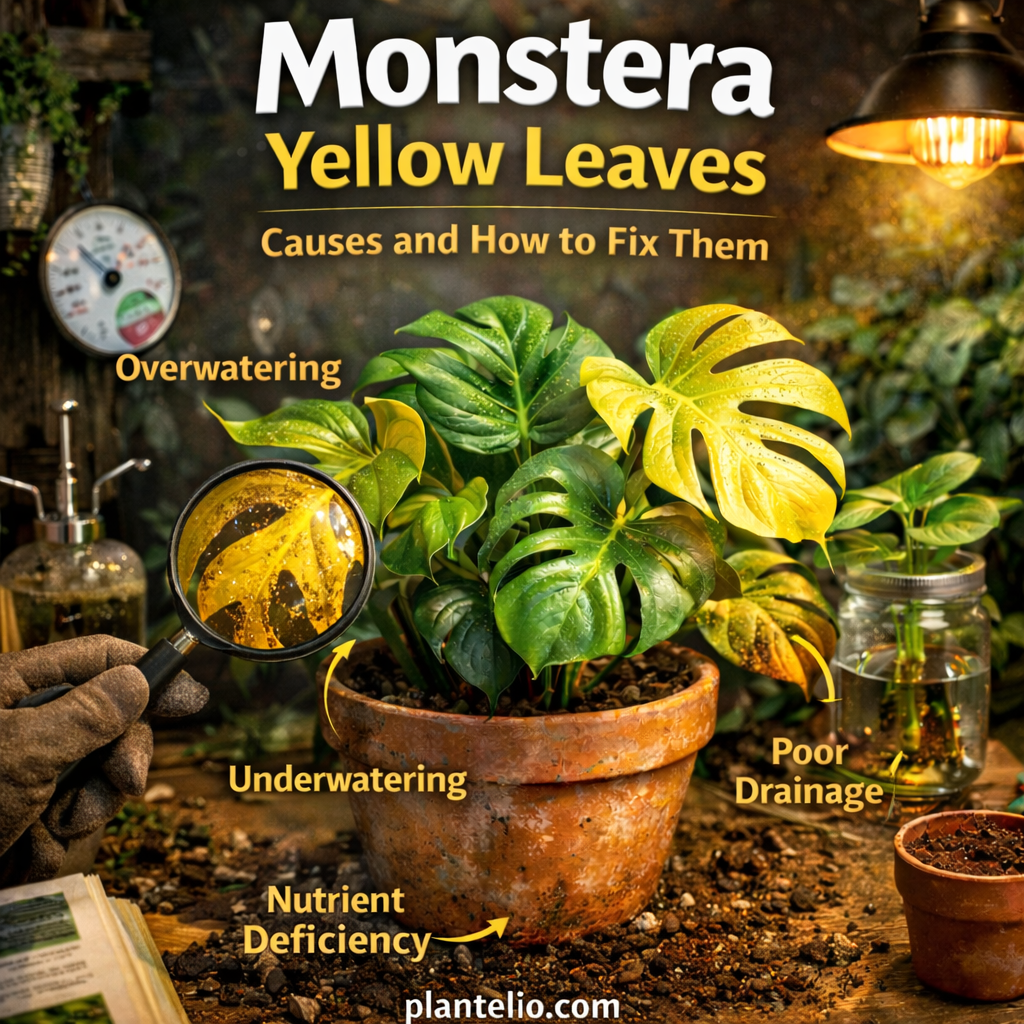
Monstera Yellow Leaves: Causes and How to Fix Them
A yellow Monstera leaf is an observation, not a diagnosis. Before watering, feeding or repotting, record which leaves changed, how quickly it happened and what else is different. The pattern helps you choose a useful investigation instead of treating every yellow leaf in the same way.
Describe the change precisely
Photograph the whole plant and both surfaces of affected leaves. Note whether one older leaf changed or whether several leaves are changing together. Record patchy fading, uniformly yellow tissue, brown areas and any loss of firmness separately. Include a photograph of the pot and growing medium.
An isolated older leaf on an otherwise stable plant is a different pattern from rapid yellowing accompanied by wilting. Keep observing the former; investigate the latter promptly. Neither pattern should be treated as proof of one cause from appearance alone.
Use the pot to separate the next questions
| Pattern | Next check | Unhelpful shortcut |
|---|---|---|
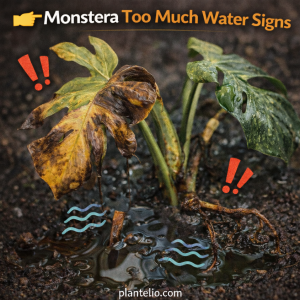
| Yellowing with wilting in wet mix | Drainage, collected water and root condition where warranted | Adding water because the leaves droop |
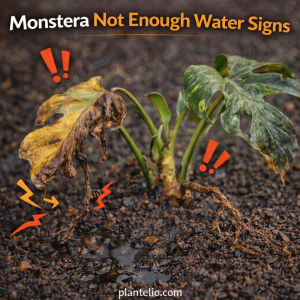
| Yellowing with very dry mix and a lighter pot | Whether the root zone has been wetted evenly | Assuming every yellow leaf is overwatering |
| Damage after a location change | Actual light and exposure at the leaves | Using leaf colour alone to identify sun damage |
| Yellowing with visible insects or deposits | Leaf undersides, stems and identification of what is present | Applying several treatments without identifying the issue |
| One older leaf changes while the plant is otherwise stable | Whether further leaves begin changing | Repotting immediately to treat a single observation |
Use the dry-pot checklist or wet-pot checklist when those observations fit. Wilting can occur with insufficient water or damaged roots in an overwatered container, which is why checking before watering matters.
Review recent changes
Write a short timeline: last watering, fertilizer application, move, repotting and any exposure to unusual conditions. Compare the first visible yellowing with that sequence. A timing match suggests a question to investigate; it does not establish causation.
If the plant moved, survey the light at its actual position rather than relying on window direction. The light guide includes a room survey. If it was repotted, reassess drying and drainage rather than assuming the old watering interval still applies.
Do not diagnose a deficiency from colour alone
Review the fertilizer product, dilution, dates and whether the growing medium already contains feed. Yellowing does not establish that adding more fertilizer is the right action. Root problems, pests and excessive soluble salts can also be associated with leaf decline.
Use the relevant product instructions and investigate the whole plant before making a feeding change. Repeated extra doses can complicate the problem and obscure the original observations. Keep a clear record of what has actually been applied.
Inspect for other evidence
Look at leaf undersides and the points where leaves join the stem. Record visible insects, webbing, raised bumps or sticky material. A photograph or description of one of these findings is more useful for identification than a general statement that the leaf is yellow.
Keep a potentially affected plant separate from nearby plants while investigating visible pests. Choose any treatment after identifying the issue and checking that the product is appropriate for the plant and indoor use. Follow its label rather than a generic homemade remedy.
Record one reasoned response
- Photograph and describe the baseline pattern.
- Check moisture, drainage and recent changes.
- Investigate additional evidence such as visible pests.
- Choose an action supported by those observations.
- Record the action and monitor whether new damage develops.
Existing damaged tissue may remain marked, so a successful adjustment should not be judged only by whether an old leaf looks green again immediately. Watch the wider plant and subsequent growth. Do not make extensive leaf removal the first response to unexplained yellowing.
When to seek help
Rapidly worsening yellowing, collapsing stems or continuing decline despite a reasoned adjustment warrants further investigation. Provide the plant identity, photographs, container details and care timeline when requesting local horticultural help. This information supports a better assessment than a close-up leaf image alone.
Reference
University of Maryland Extension: Diagnose Indoor Plant Problems describes overlapping symptoms and possible causes. This checklist organizes your observations; it does not remotely diagnose a disease or guarantee a recovery date. Use the main care guide to review the growing setup.

4 comments