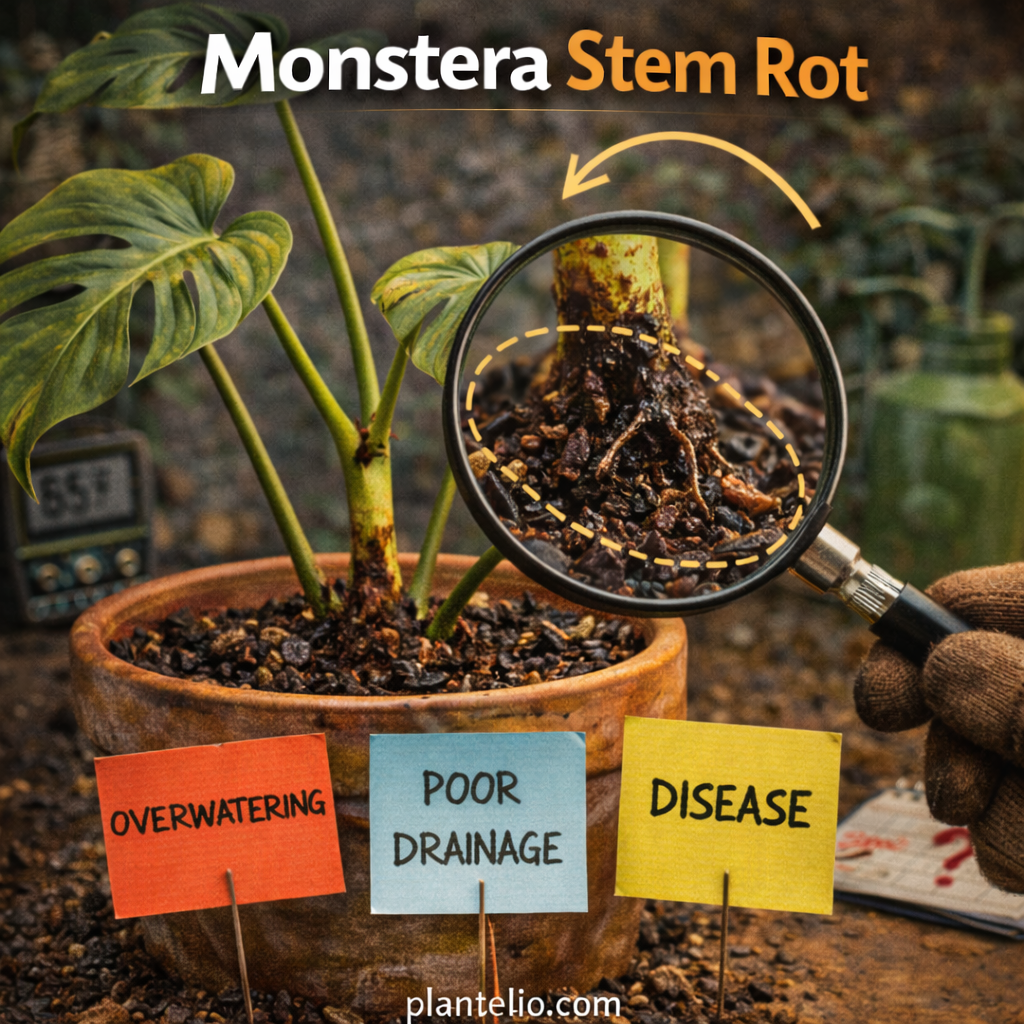
Monstera Stem Rot: Causes, Signs and How to Save a Rotting Monstera
Monstera stem rot is a serious problem that can quickly damage or kill a plant if not treated early. Stem rot usually develops when excess moisture and poor air circulation allow bacteria or fungi to attack the plant tissue.
This complete guide explains how to recognize Monstera stem rot and how to save your plant before the damage spreads.
If you are new to Monstera care start here: Monstera Care Guide
What Is Monstera Stem Rot?
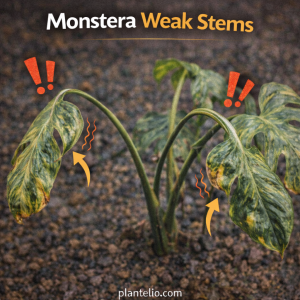
Stem rot occurs when the plant stem begins to decay due to fungal or bacterial infection. The stem becomes soft, dark, and weak as the tissue breaks down.
If untreated, stem rot can spread to the roots and leaves.
Signs of Monstera Stem Rot
- Soft stems
- Black or dark brown areas
- Wet or mushy stem tissue
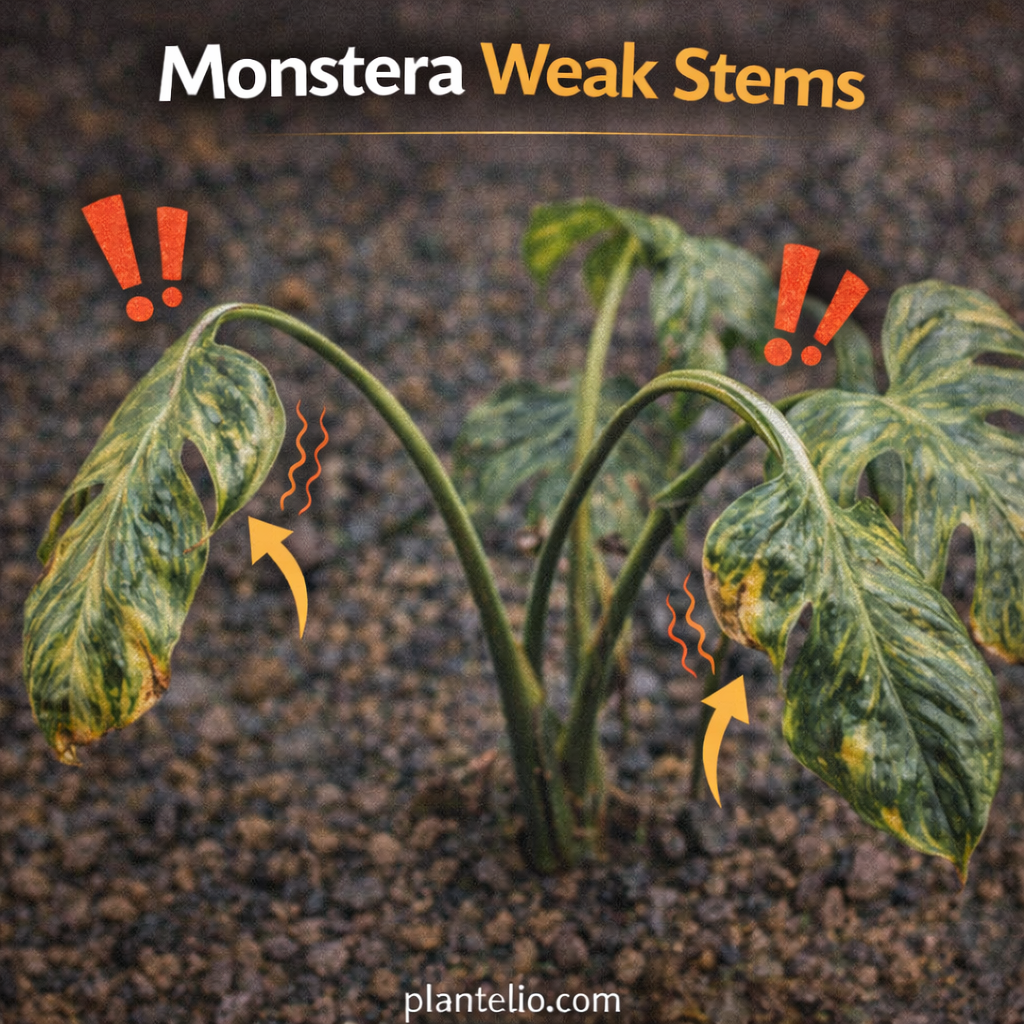
- Drooping leaves
- Bad smell near soil
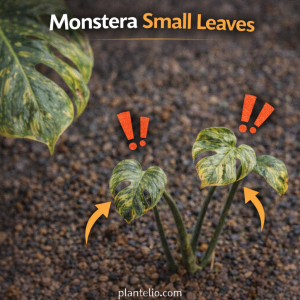
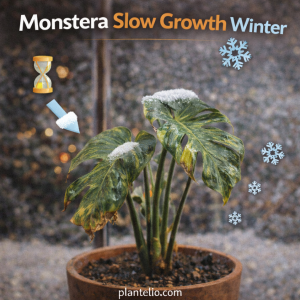
- Slow growth
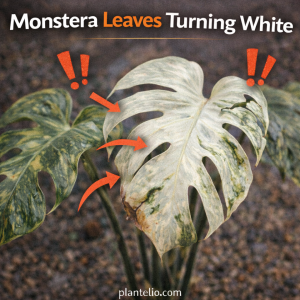
Leaf damage often appears as well: Monstera Leaves Turning Black
Overwatering (Most Common Cause)
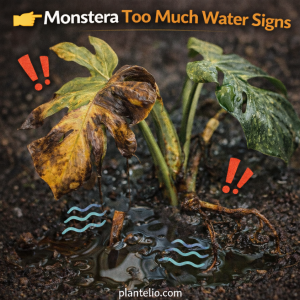
Too much water is the main cause of stem rot. Constantly wet soil creates ideal conditions for fungal growth.
- Wet soil
- Drooping leaves
- Yellow leaves
Watering guide: Monstera Watering Guide
Root Rot Connection
Stem rot often develops after root rot.
Once roots begin rotting, infection can spread upward into the stem.
Treatment guide: Monstera Root Rot
Poor Soil Drainage
Heavy soil traps moisture and encourages rot.
Healthy soil prevents rot problems.
Soil guide: Monstera Soil Guide
Low Light Conditions
Low light slows evaporation and keeps soil wet longer.
Proper light improves plant health.
Light guide: Monstera Light Requirements
Temperature and Humidity
Cold and damp conditions increase the risk of rot.
Monsteras prefer warm temperatures:
18–30°C
How to Treat Monstera Stem Rot
Step 1 — Remove Rotting Parts
- Cut soft stems
- Use sterile scissors
- Cut into healthy tissue
Step 2 — Check Roots
- Remove plant from pot
- Inspect roots
- Remove soft roots
Root inspection: Monstera Root Rot
Step 3 — Repot Plant
- Use fresh soil
- Improve drainage
- Use clean pot
Repotting guide: Monstera Repotting Guide
How to Save a Severely Rotting Monstera
If stem rot is severe, propagation may be the best solution.
- Cut healthy stem sections
- Root cuttings
- Discard infected parts
Propagation guide: Monstera Propagation Guide
Preventing Stem Rot
- Water only when soil dries
- Use well-draining soil
- Provide bright indirect light
- Use pots with drainage holes
- Avoid cold conditions
Growth health guide: Monstera Not Growing
Leaf Symptoms Connection
Rotting plants often show leaf symptoms first.
Related problems:
FAQ
What causes Monstera stem rot?
Stem rot is usually caused by overwatering and poor drainage.
Can Monstera recover from stem rot?
Yes, if treated early by removing infected areas.
Is stem rot the same as root rot?
No, but they often occur together.
Should I cut rotting stems?
Yes. Removing infected tissue helps prevent spreading.
Can stem rot spread?
Yes. Rot can spread quickly if untreated.
monstera stem rot, monstera rotting stem, monstera stem problems, monstera root rot, monstera care, monstera plant, monstera indoor care, monstera watering problems, monstera diseases, indoor plant problems

Post Comment