
Pothos Root Rot: Signs, Causes and How to Save a Pothos Plant
Root rot is one of the most serious problems for Pothos plants, and it is usually caused by overwatering or poor drainage. The good news is that Pothos can often be saved if root rot is caught early.
This complete guide explains the signs of Pothos root rot, what causes it, and exactly how to save your plant.
Start here if you are new: Pothos Care Guide
What Is Root Rot?
Root rot happens when roots sit in wet soil for too long and begin to decay. Healthy roots should be firm and light-colored, while rotten roots become dark, soft, and smelly.
Signs of Pothos Root Rot
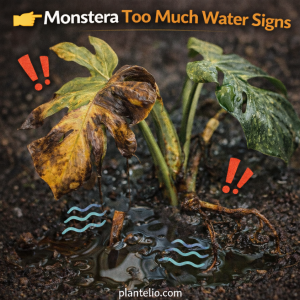
- Yellow leaves that keep spreading
- Drooping leaves even when soil is wet
- Soft, mushy stems near the soil line
- Bad smell from soil
- Black or brown roots
- Soil stays wet for many days
Yellow leaf guide: Pothos Yellow Leaves
Drooping guide: Pothos Leaves Drooping
What Causes Root Rot in Pothos?
- Overwatering
- No drainage holes
- Heavy compacted soil
- Cold temperatures
- Large pot holding moisture too long
- Low light slowing soil drying
Watering guide: Pothos Watering Guide
Light guide: Pothos Light Requirements
Soil guide: Pothos Soil Guide
How to Confirm Root Rot
The only sure way to confirm root rot is to check the roots.
- Gently remove the plant from the pot
- Inspect roots
- Healthy roots: white to light tan, firm
- Rotten roots: dark brown/black, mushy, foul smell
How to Save a Pothos with Root Rot (Step by Step)
Step 1: Remove the Plant and Clean the Roots
- Take the plant out of the pot
- Rinse roots with clean water
- Remove all soggy soil
Step 2: Trim Rotten Roots
- Use clean scissors
- Cut off black or mushy roots
- Keep only firm healthy roots
Step 3: Remove Damaged Leaves
- Remove yellow leaves
- Trim soft stems
Step 4: Repot in Fresh Soil
- Use a pot with drainage holes
- Use fresh well-draining soil
- Do not reuse old soil
Repotting guide: Pothos Repotting Guide
Step 5: Water Carefully After Repotting
- Water lightly after repotting
- Then wait until the top soil dries
- Avoid frequent watering
Watering guide: Pothos Watering Guide
When to Propagate Instead of Saving
If most roots are rotten, the best option is to take healthy cuttings and propagate a new plant.
Propagation guide: Pothos Propagation Guide
Node guide: Pothos Nodes Guide
How to Prevent Root Rot
- Use well-draining soil
- Always use drainage holes
- Water only when soil is partially dry
- Avoid oversized pots
- Increase light for faster drying
Soil guide: Pothos Soil Guide
Pot guide: Pothos Best Pot Size
Slow growth guide: Pothos Not Growing
FAQ
How do I know if my Pothos has root rot?
Common signs include yellow leaves, drooping with wet soil, and mushy dark roots with a bad smell.
Can Pothos recover from root rot?
Yes, many Pothos plants recover if rotten roots are removed and the plant is repotted in fresh soil.
Should I water a Pothos with root rot?
No, stop watering until the plant is repotted and roots are healthy again.
What soil prevents root rot?
Well-draining soil mixed with perlite and coco peat helps prevent root rot.
Is root rot contagious?
Root rot is not contagious like pests, but fungal conditions can spread if tools are not cleaned.



6 comments