
Parlor Palm Soil: Best Soil Mix for Healthy Parlor Palm
Parlor Palm Soil
Choosing the right Parlor Palm soil is essential for maintaining healthy root growth. The Parlor Palm (Chamaedorea elegans) naturally grows in tropical forest soils that are rich, airy, and well-draining.
Replicating these conditions indoors helps prevent root problems and encourages steady plant growth.
Best Soil Mix for Parlor Palm
The ideal soil should retain some moisture while allowing excess water to drain easily.
- Indoor potting soil
- Perlite for drainage
- Organic compost or peat moss
Simple Soil Mix Recipe
- 50% indoor potting mix
- 30% peat moss or coco coir
- 20% perlite
This mix provides a balance between moisture retention and proper drainage.
Why Drainage Is Important
Poor drainage can cause serious problems for Parlor Palm roots.
- Root rot
- Yellow leaves
- Weak plant growth
See related issues in Parlor Palm Yellow Leaves.
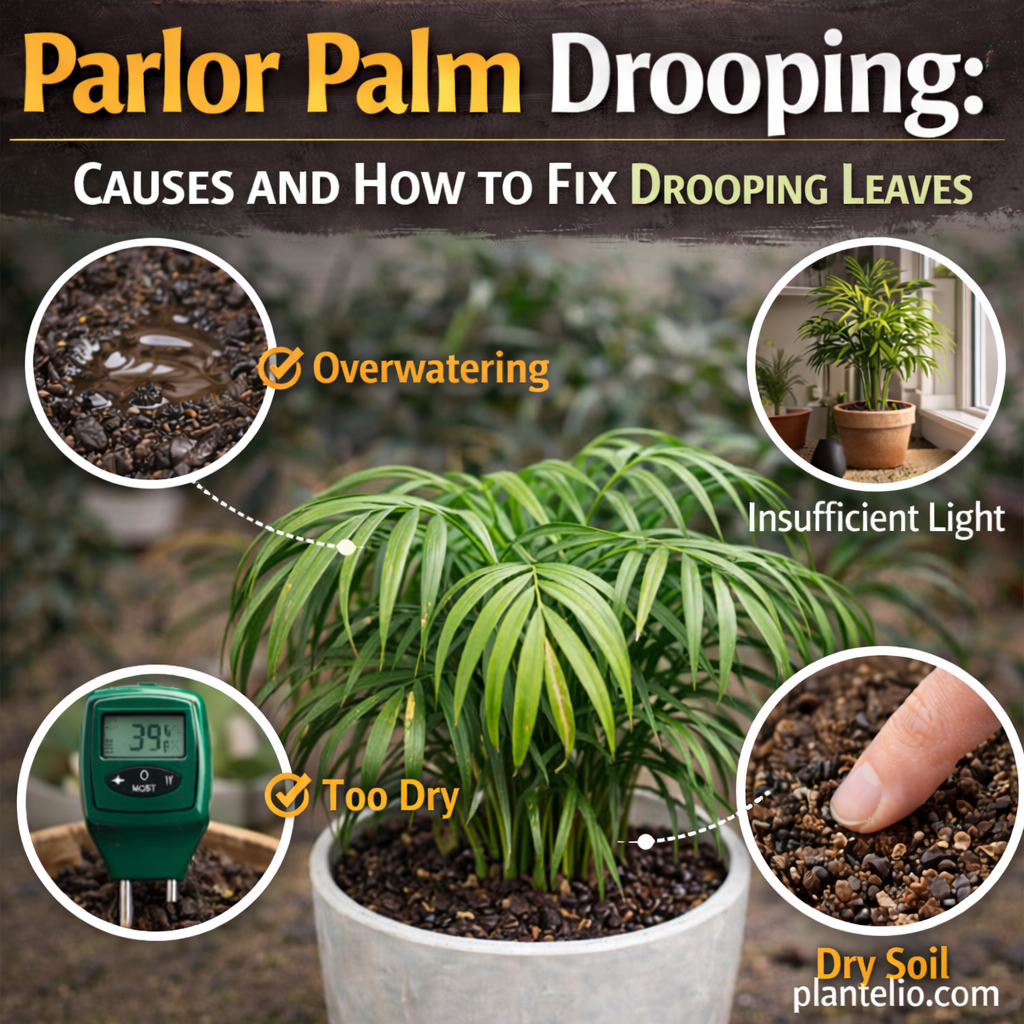
Signs Your Soil Is Not Suitable
- Water stays on the soil surface
- Soil remains wet for long periods
- Unpleasant smell from the pot
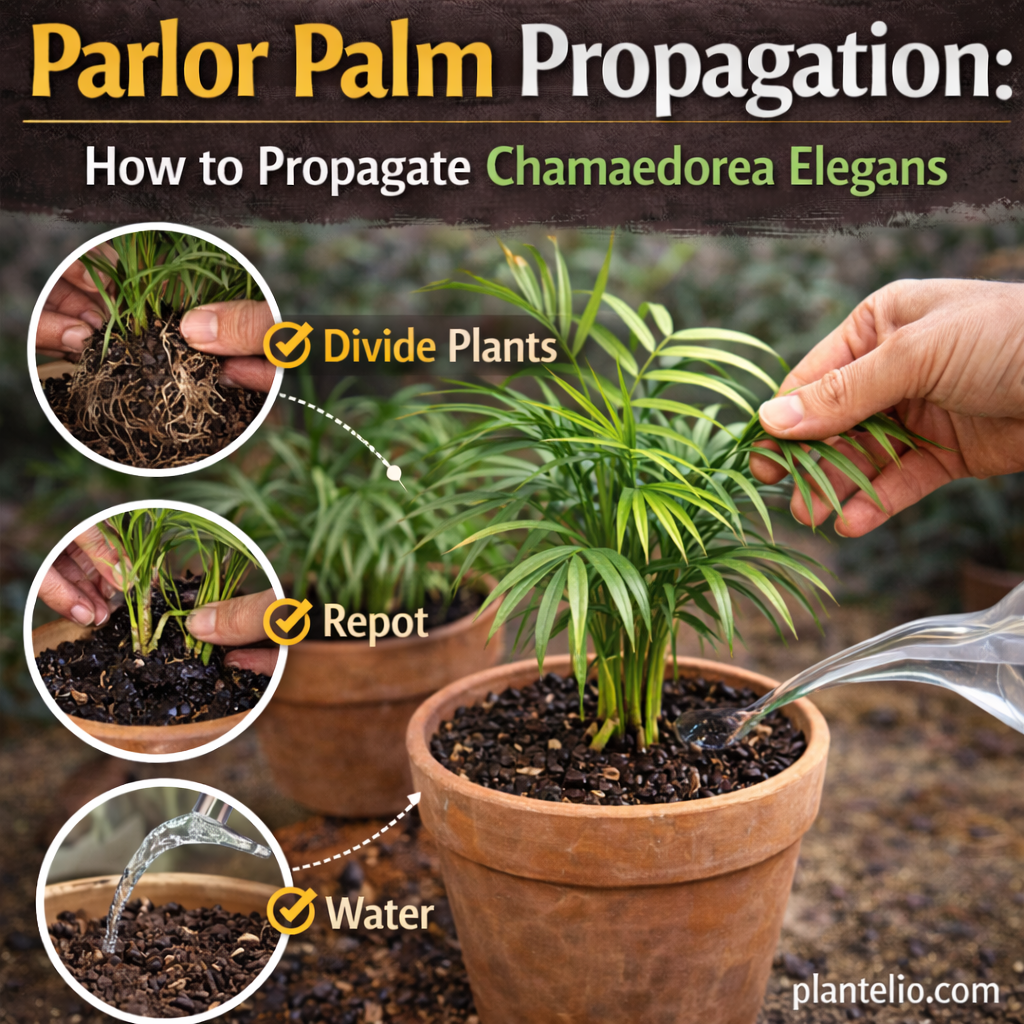
Repotting Parlor Palm
Repotting helps refresh the soil and provide more space for root growth.
- Repot every 2–3 years
- Use slightly larger containers
- Ensure drainage holes in pots
Related Parlor Palm Guides
- Parlor Palm
- Parlor Palm Care Guide
- Parlor Palm Watering Guide
- Parlor Palm Brown Tips
- Parlor Palm Propagation
FAQ
What soil is best for Parlor Palm?
A well-draining mix containing potting soil, peat moss, and perlite works best.
Can Parlor Palm grow in regular potting soil?
Yes, but adding perlite improves drainage and root health.
Does Parlor Palm need well-draining soil?
Yes, well-draining soil prevents root rot and promotes healthy growth.
How often should Parlor Palm soil be changed?
Repotting every two to three years helps refresh soil nutrients.




4 comments