
Dieffenbachia Care Guide: How to Grow a Healthy Dumb Cane Plant
Dieffenbachia Care Guide
Dieffenbachia, commonly known as the Dumb Cane plant, is a tropical houseplant famous for its large patterned leaves and easy indoor care. With the right dieffenbachia care, this plant can grow quickly and add a lush tropical feel to your home.
Native to Central and South America, dieffenbachia thrives in warm indoor environments with moderate humidity and indirect sunlight.
Light Requirements
Dieffenbachia grows best in bright indirect light.
- Bright filtered sunlight is ideal
- Moderate indoor light is tolerated
- Avoid strong direct sunlight
Watering Dieffenbachia
Proper watering helps maintain healthy leaves and prevents root problems.
- Water when the top soil becomes dry
- Avoid excessive watering
- Ensure pots have drainage holes
Learn more about watering methods in Dieffenbachia Watering Guide.
Best Soil for Dieffenbachia
Loose, well-draining soil supports healthy root development.
- Indoor potting mix
- Soil mixed with perlite
- Organic-rich soil
Temperature and Humidity
- Ideal temperature: 18–27°C
- Prefers moderate humidity
- Avoid cold drafts
Fertilizing Dieffenbachia
Fertilization supports healthy foliage growth.
- Use balanced liquid fertilizer
- Feed every 4–6 weeks during the growing season
- Avoid excessive fertilizer
Pruning and Maintenance
Occasional pruning keeps the plant healthy and encourages new growth.
- Remove damaged leaves
- Trim leggy stems
- Clean leaves regularly
Common Dieffenbachia Problems
- Yellow leaves
- Drooping leaves
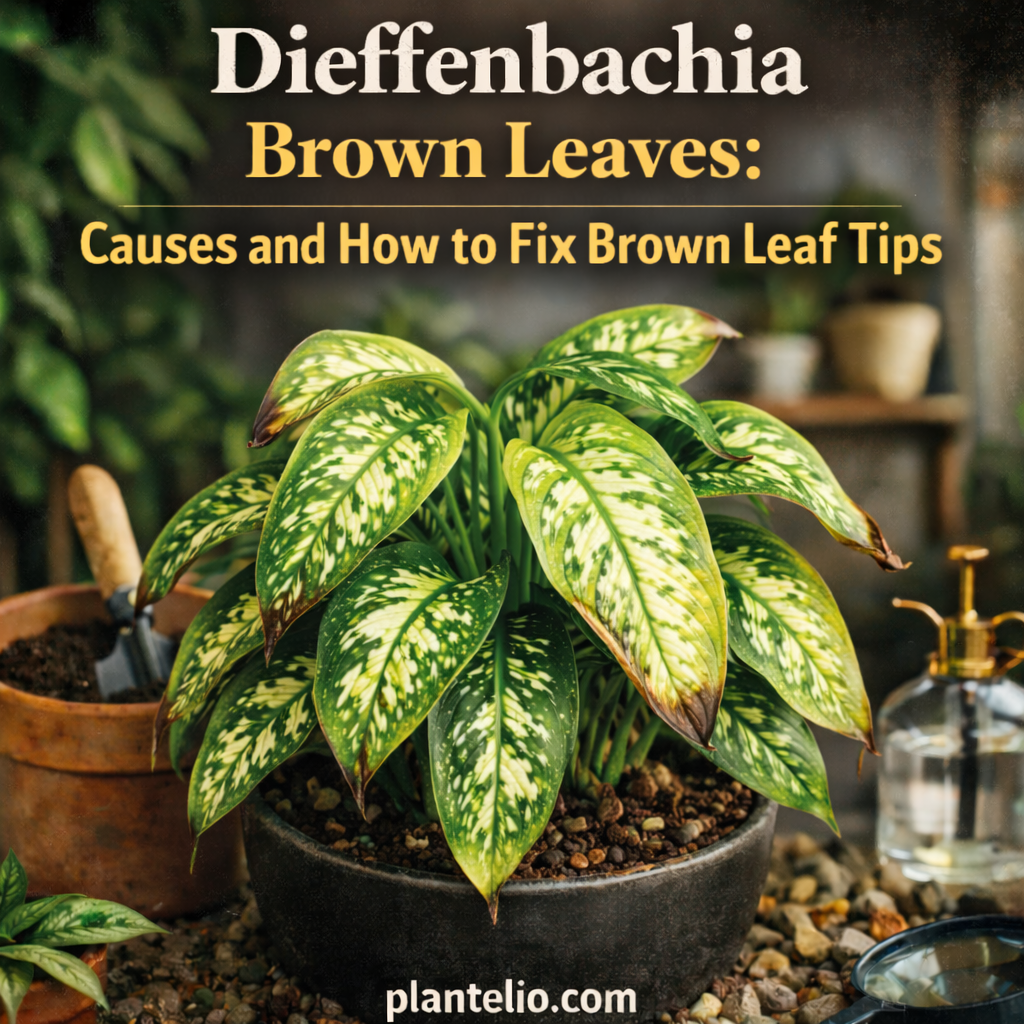
- Brown leaf edges
Related Dieffenbachia Guides
- Dieffenbachia
- Dieffenbachia Watering Guide
- Dieffenbachia Soil
- Dieffenbachia Yellow Leaves
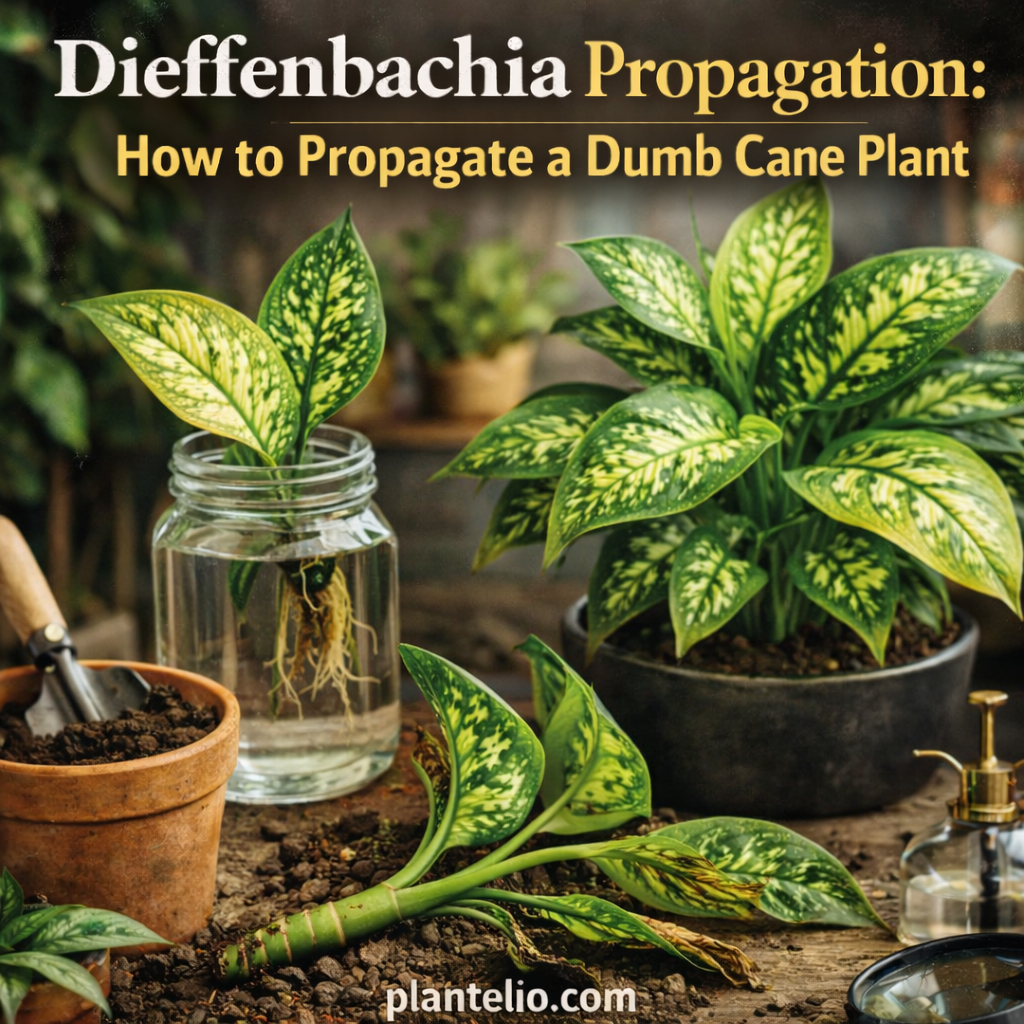
- Dieffenbachia Propagation
FAQ
Is Dieffenbachia easy to care for?
Yes, dieffenbachia is considered an easy indoor plant for beginners.
How often should I water Dieffenbachia?
Water when the top layer of soil becomes slightly dry.
Does Dieffenbachia need sunlight?
Yes, bright indirect light supports healthy growth.
Why are Dieffenbachia leaves drooping?
Drooping leaves often indicate watering or environmental issues.


3 comments