
Dieffenbachia Soil: Best Soil Mix for Dumb Cane Plants
Dieffenbachia Soil
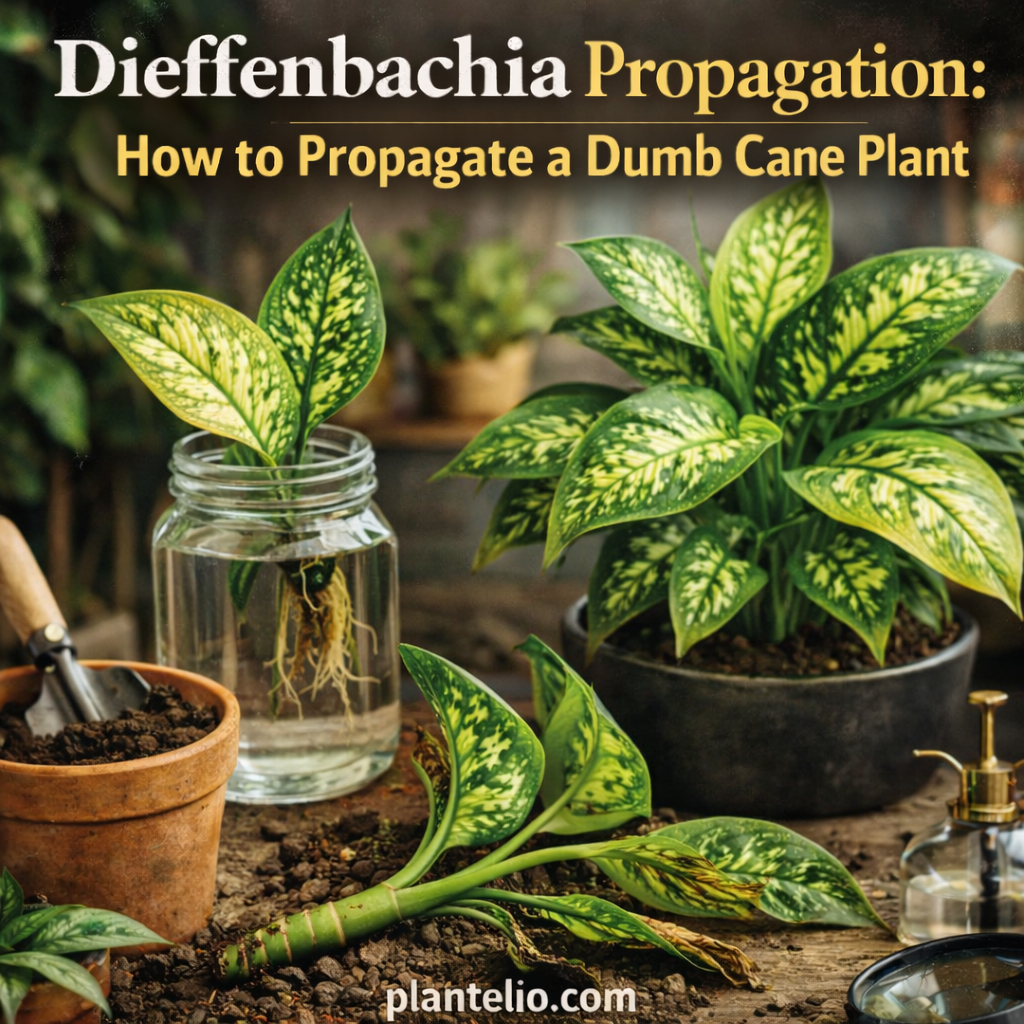
Choosing the right dieffenbachia soil is essential for healthy root development and long-term plant growth. Dieffenbachia, also known as the Dumb Cane plant, thrives in loose, well-draining soil that retains moderate moisture without becoming soggy.
A balanced soil mixture ensures proper drainage, aeration, and nutrient availability for the plant.
Best Soil Mix for Dieffenbachia
The ideal soil mix should provide both moisture retention and good drainage.
- High-quality indoor potting mix
- Perlite for improved drainage
- Peat moss or coco coir for moisture retention
Recommended Soil Mix Recipe
You can easily create an ideal soil mix for dieffenbachia at home:
- 2 parts potting soil
- 1 part perlite
- 1 part peat moss or coco coir
This combination helps prevent compact soil and promotes healthy root growth.
Soil Drainage Importance
Good drainage is crucial for dieffenbachia plants.
- Prevents root rot
- Improves oxygen flow to roots
- Maintains balanced moisture levels
Signs of Poor Soil Conditions
- Yellowing leaves
- Slow plant growth
- Root rot
- Soil staying wet too long
Learn more about watering problems in Dieffenbachia Watering Guide.
Repotting and Soil Replacement
Replacing soil periodically keeps plants healthy.
- Repot every 1–2 years
- Use fresh well-draining soil
- Choose a pot with drainage holes
Related Dieffenbachia Guides
- Dieffenbachia
- Dieffenbachia Care Guide
- Dieffenbachia Watering Guide
- Dieffenbachia Yellow Leaves
- Dieffenbachia Propagation
FAQ
What soil is best for Dieffenbachia?
Loose, well-draining potting soil mixed with perlite and peat moss works best.
Does Dieffenbachia need special soil?
It does not require special soil but benefits from well-draining potting mixes.
Can Dieffenbachia grow in regular potting soil?
Yes, but adding perlite improves drainage and root health.
How often should soil be replaced?
Repotting every 1–2 years with fresh soil helps maintain plant health.




4 comments