Zebra Plant Care: Bold Veins, Yellow Bracts and Steady Moisture
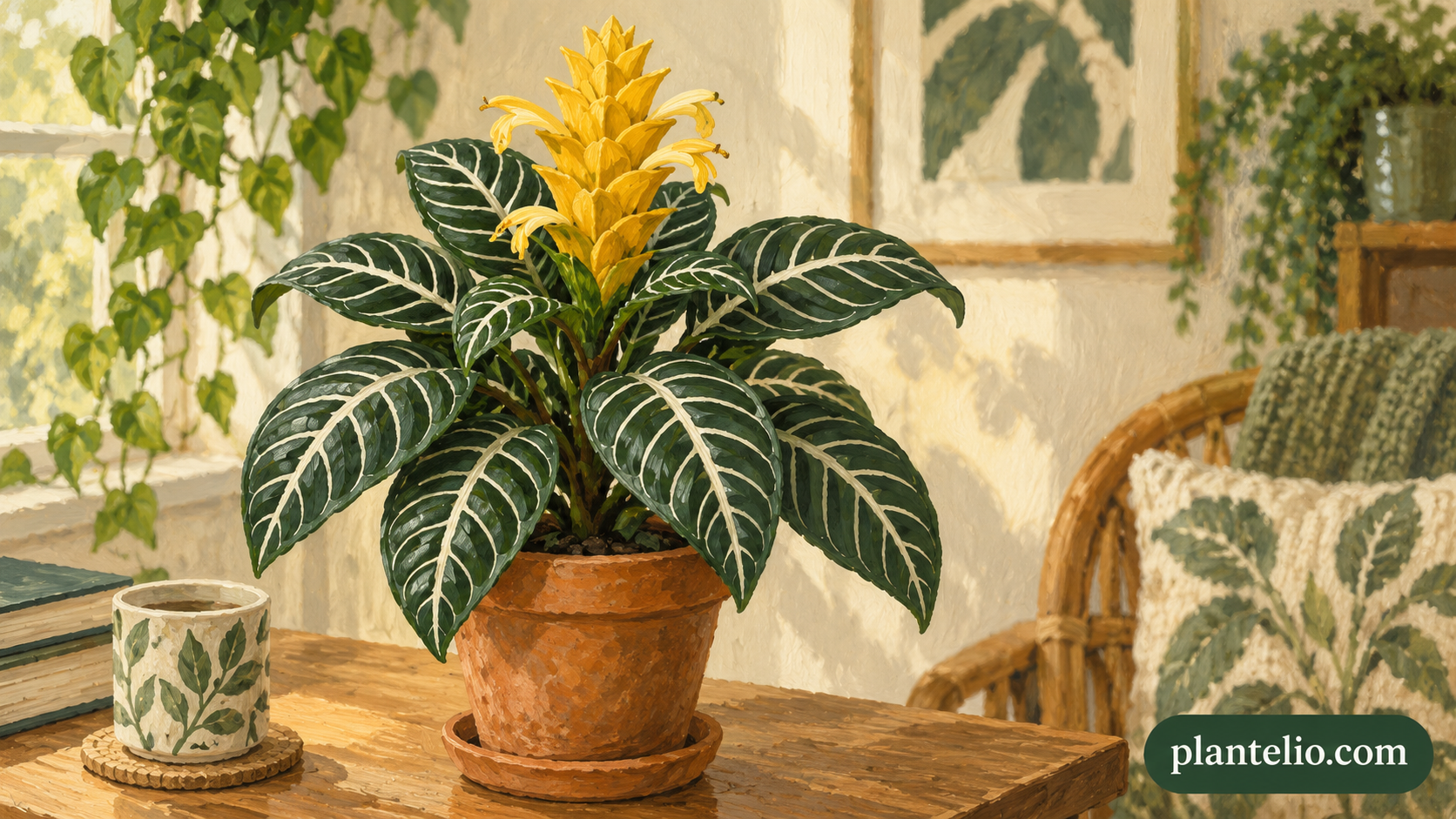
Zebra plant care depends on identifying Aphelandra squarrosa correctly. This leafy tropical houseplant has glossy dark green foliage with bold pale veins and can produce an upright yellow display. Keep its botanical name with the pot so that advice for another plant sold under the same common name does not cause confusion.
Look closely at the yellow display
NC State explains that the upright spike contains yellow bracts with small flowers emerging from them. The colored structures are not simply one enormous flower. Record when the display begins and how it changes instead of assuming all parts will fade together.
A photograph taken from the same angle each week can help you distinguish the lasting bracts from individual flowers. Include a few leaves in the picture so that you also have a useful record of the rest of the plant.
Choose a bright, indirect position
RHS recommends bright indirect light indoors and a peat-free houseplant compost with added horticultural grit. Our bright indirect light guide explains how to assess the display position.
NC State emphasizes warmth and high humidity, with temperatures staying above 65°F (18°C). Check the room where the plant will actually live, rather than assuming a warm daytime room stays equally warm overnight.
Keep moisture steady without ignoring drainage
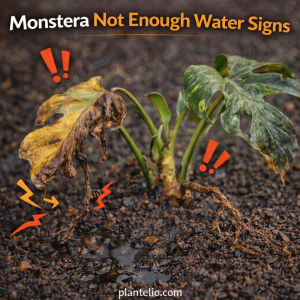
NC State advises against letting the mix dry completely and notes that both excessive water and very dry conditions can lead to lower leaves browning and dropping. Our soil moisture checking guide can help you investigate before reaching for the watering can.
RHS recommends reducing watering in winter. That is a change in routine, not a reason to abandon checks. Keep a record of the current mix condition and growth so that your next decision is based on the plant in front of you.
Plan pruning after flowering
RHS advises cutting the main stems back to a strong pair of leaves after flowering to encourage side shoots. Decide which stems need shortening before making cuts, and keep a before-and-after photograph for your records.
A compact flowering purchase is a starting point, not a permanent size guarantee. Leave enough access to inspect the pot and observe new side growth as the display develops.
Sources: RHS: zebra plant; NC State Extension.





Post Comment